



Your Questions Answered About FHA Loans and Student Debt
February 13, 2025
Q: How does student loan debt affect my mortgage chances?
A: Student loan debt affects your ability to qualify for an FHA mortgage, primarily because of how it changes your debt-to-income ratio (DTI). Lenders calculate your DTI by dividing your total monthly debt payments (including student loans, credit cards, car loans, and the potential mortgage) by your gross monthly income.
A high DTI, often above 43% for most mortgages, can hinder your ability to secure a loan or lead to less favorable terms. Essentially, the more your income goes toward debt repayment, the less likely lenders approve a new loan.
Q: What is the debt-to-income ratio (DTI), and why is it important?
A: The debt-to-income ratio (DTI) is a metric lenders use to measure your creditworthiness. It indicates how much of your monthly income is already committed to debt payments. Lenders prefer lower DTIs because there is more disposable income and less chance you may default on a loan. Student loan payments directly increase your DTI, making it a critical factor in mortgage approvals.
Q: How do lenders view borrowers with substantial student loan debt?
A: Even if your DTI is technically within acceptable limits, a large student loan burden can still raise concerns for lenders. They may view borrowers with significant student debt as higher risk, even if they're currently managing their payments. This is because of the amount of income already allocated to debt repayment leaves less buffer for unexpected expenses or financial hardships.
Q: Can I still get a mortgage if I have a lot of student loan debt?
A: Yes, homeownership is possible even with student loans. While it can be more challenging, especially with substantial debt, it’s not insurmountable. Strategies like improving your credit score, lowering other debts, saving for a larger down payment, and exploring specific loan programs can improve your chances.
Q: Are there specific types of mortgages that are more accessible with student loan debt?
A: FHA loans, insured by the Federal Housing Administration, are often a good option for borrowers with student loan debt. FHA loans generally have more lenient credit score and DTI requirements than conventional loans, making them more accessible to those carrying student debt.
Q: How are student loan payments factored into FHA loan calculations?
A: FHA guidelines require lenders to use the monthly payment amount reported on your credit report or loan documentation, even if your loans are in forbearance.
This means that even if you're not actively making payments right now, the anticipated future payment will be included in your DTI calculation for the FHA loan.
Q: What steps can I take to improve my chances of getting an FHA loan with student debt?
A: Several steps can improve your chances:
- Calculate your DTI: Understand your current DTI, including your student loan payments, and estimate potential mortgage payments to see where you stand.
- Explore Income-Driven Repayment (IDR) plans: IDR plans can lower your monthly student loan payments, thus reducing your DTI. However, lenders will likely use the projected payment under the IDR plan, not your current payment.
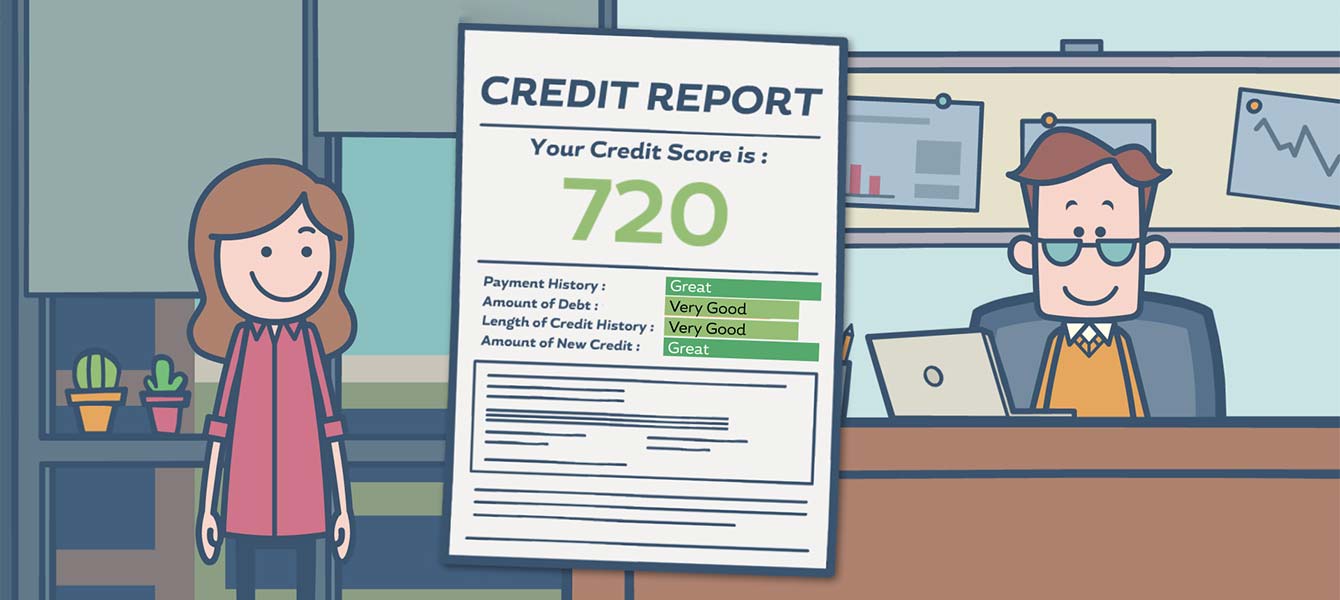
- Improve your credit score: A good credit score is crucial for any mortgage. Check your credit report and address any errors.
- Save for a down payment: A larger down payment reduces the loan amount and improves your DTI.
- Reduce other debts: Paying down credit card balances or other loans can lower your overall DTI.
- Shop around for lenders: Different lenders may have varying DTI requirements for FHA loans.
- Communicate with your lender: Transparency about your student loan situation is key.
- Consider a co-borrower: A strong financial profile can strengthen your application.
- Seek financial counseling: A financial counselor can provide personalized guidance.
- Be patient and persistent: The home-buying process takes time and effort.
FHA Loan Articles
August 19, 2026Homebuyers who have enough cash for a down payment still need to consider their full financial picture before choosing between a conventional mortgage and an FHA loan. Having cash on hand changes the math for both options, but savings alone won't make a conventional loan the automatic winner. Credit scores, current debt, and the type of property you want to buy all determine which loan will cost less over time.
August 11, 2026Homeowners with FHA adjustable-rate loans need to track their loans more closely. That is because FHA ARM loans start with introductory interest rates that eventually expire and are subject to change afterwards based on market rates. When interest rates rise, monthly housing payments climb on ARM loans, pushing many homeowners to consider refinancing into a fixed-rate mortgage.
August 10, 2026If you want to buy a home with an FHA mortgage, you must set up an escrow account to cover property taxes, homeowner insurance, and upfront closing expenses. While the FHA loan program has rules for funding these accounts, buyers often do not realize those rules can include approved and unallowed sources for escrow funds. What do you need to know before you set up and fund your escrow account for an FHA mortgage?
August 3, 2026Buying a home in a high-cost area requires understanding how FHA loan limits shape your financing options. Does the house for sale have a price above the local FHA loan limit? You may need to explore your jumbo loan options. There are conventional jumbo loans and FHA versions. Which is right for you? Much depends on your financial needs, plans, and goals for the loan.
July 30, 2026There is a common misconception about FHA loans that only a first-time home buyer can use the program. This is not true; repeat buyers can qualify for an FHA loan, but why does this misconception exist? Partially because state and local programs have first-time buyer requirements for down payment and/or closing cost assistance programs. So while you do not need to be a first-time buyer to get an FHA loan, you may need to meet that definition to qualify for down payment help.