



Subprime Mortgages vs. FHA Loans
February 27, 2025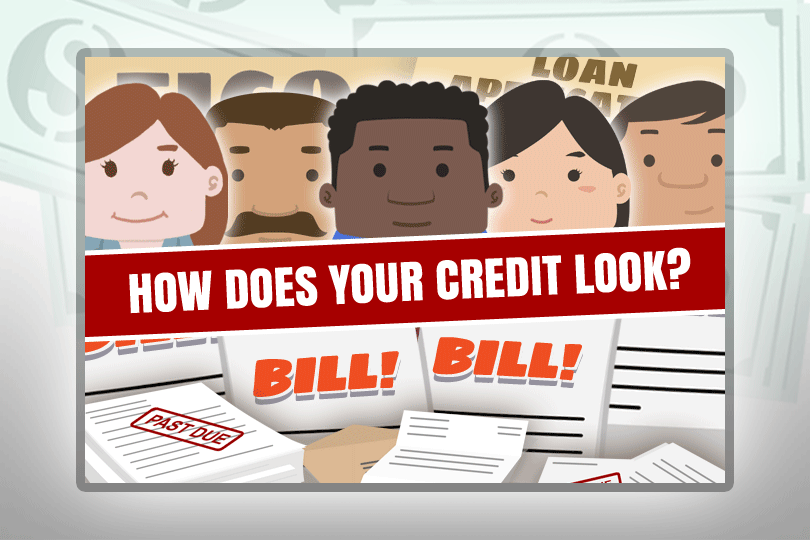
Facts and Fiction About Subprime Mortgages
Subprime mortgages are designed for borrowers with less-than-perfect credit histories. This might include past issues like late payments, loan defaults, or bankruptcy.
Lenders classify these borrowers as higher risk because they are statistically more likely to default on their loan. Several factors can lead a lender to offer a subprime mortgage.
Low credit scores, generally below lender-defined thresholds, are a major factor. Another red flag is a history of missed or late payments on other loans.
A high debt-to-income ratio, meaning you owe a lot compared to what you earn, can also contribute. Job loss or significant medical expenses can also negatively impact your creditworthiness and make you appear riskier to a lender.
Interest rates on subprime mortgages are significantly higher than those for conventional, VA, FHA, or USDA loans. Lenders protect themselves against the increased risk they take on by lending to people with weaker credit by charging higher rates.
The higher interest rate translates directly to higher monthly payments and a greater overall cost over the life of the loan. Some subprime loans also come with adjustable interest rates, which means your payments could go up unexpectedly.
Another potential drawback is that some subprime mortgages include prepayment penalties, making it expensive to refinance or sell your home before the loan term is up.
The key is to carefully evaluate all the terms and compare them to every other available option. Don't rush into anything without understanding the full picture.
FHA Loans
The Federal Housing Administration insures FHA loans. These loans are designed to make homeownership more accessible, especially for first-time homebuyers and people with limited financial resources.
One of the biggest advantages of FHA loans is that they generally have more flexible credit and income requirements than conventional loans. If you've been turned down for a conventional loan in the past, or if you're worried about qualifying, an FHA mortgage is worth exploring.
Another benefit is the lower down payment requirement. FHA loans often require a down payment of just 3.5% of the purchase price for borrowers with good credit.
Even those with FICO scores below 580 may still qualify with a 10% down payment, which is often much lower than what conventional loans require. This lower down payment makes homeownership a realistic possibility for people who haven't been able to save a large sum of money.
FHA loans are also more forgiving when it comes to credit scores. While specific requirements vary from lender to lender, you might still qualify for an FHA loan even with a less-than-perfect credit history.
FHA lenders also tend to be more flexible with debt-to-income ratios. They understand that many borrowers, especially younger ones, have significant debt, like student or car loans. So, they may allow for higher debt-to-income ratios than conventional lenders.
This can be a huge help in getting approved. FHA loans can be used to purchase various property types, from single-family homes and townhouses to condos and even manufactured homes.
It's a common misconception that FHA loans are only for low-income borrowers. While they are designed to be more accessible, people across various income levels can qualify. It's also a myth that FHA loans are always the best choice for first-time buyers. It's crucial to compare FHA loans with conventional loans and any other available options to find the best fit for your individual needs and financial situation.
Key Differences
- Subprime: For significant credit challenges, higher risk.
- FHA: Government-backed, flexible requirements, lower down payments.
- Not interchangeable for different financial situations.
Talking to a qualified financial advisor or a reputable mortgage professional is always a good idea. They can help you assess your circumstances and guide you toward the best path to homeownership.
FHA Loan Articles
August 19, 2026Homebuyers who have enough cash for a down payment still need to consider their full financial picture before choosing between a conventional mortgage and an FHA loan. Having cash on hand changes the math for both options, but savings alone won't make a conventional loan the automatic winner. Credit scores, current debt, and the type of property you want to buy all determine which loan will cost less over time.
August 11, 2026Homeowners with FHA adjustable-rate loans need to track their loans more closely. That is because FHA ARM loans start with introductory interest rates that eventually expire and are subject to change afterwards based on market rates. When interest rates rise, monthly housing payments climb on ARM loans, pushing many homeowners to consider refinancing into a fixed-rate mortgage.
August 10, 2026If you want to buy a home with an FHA mortgage, you must set up an escrow account to cover property taxes, homeowner insurance, and upfront closing expenses. While the FHA loan program has rules for funding these accounts, buyers often do not realize those rules can include approved and unallowed sources for escrow funds. What do you need to know before you set up and fund your escrow account for an FHA mortgage?
August 3, 2026Buying a home in a high-cost area requires understanding how FHA loan limits shape your financing options. Does the house for sale have a price above the local FHA loan limit? You may need to explore your jumbo loan options. There are conventional jumbo loans and FHA versions. Which is right for you? Much depends on your financial needs, plans, and goals for the loan.
July 30, 2026There is a common misconception about FHA loans that only a first-time home buyer can use the program. This is not true; repeat buyers can qualify for an FHA loan, but why does this misconception exist? Partially because state and local programs have first-time buyer requirements for down payment and/or closing cost assistance programs. So while you do not need to be a first-time buyer to get an FHA loan, you may need to meet that definition to qualify for down payment help.