





Why Some Cash-Out Refinance Loans Are Denied
May 29, 2025
But these refinances have unique requirements borrowers need to consider on their way to filling out the application. Here is a list of frequently asked questions about FHA cash-out refinance loans.
What is the main obstacle for a new homeowner seeking an FHA cash-out refinance?
The primary hurdle for a new homeowner is the FHA's seasoning requirement.
This seasoning period allows borrowers to establish a mortgage payment history. It also helps prevent speculative property flipping, which could risk the FHA insurance fund. The rule ensures homeowners have a reasonable time to build some equity and demonstrate stable homeownership before leveraging their property for cash.
Why is it often hard for new homeowners to meet equity requirements?
New homeowners typically have not had enough time to build substantial equity beyond their initial down payment. Early in a mortgage, more of each payment covers interest rather than reducing the loan principal. Significant home appreciation in just a few months is also uncommon, and typically can't be used to get into a cash-out loan faster than the stated guidelines allow.
How long must a homeowner typically own and occupy a home for an FHA cash-out
refinance?
Typically, a borrower must have owned and lived in the property as their principal residence for at least twelve months before becoming eligible.
How does home equity affect FHA cash-out refinance eligibility?
Insufficient home equity can prevent an FHA cash-out refinance. A borrower needs enough equity to meet the FHA's loan-to-value (LTV) limits after taking cash out.
What is the FHA's loan-to-value limit for cash-out refinances?
Current FHA guidelines usually cap the maximum loan-to-value ratio at 80 percent maximum (depending on the nature of the transaction) of the home's appraised value for a cash-out refinance. This means the new loan balance cannot exceed 80 percent of the home's determined worth.
What are the credit score considerations for an FHA cash-out refinance?
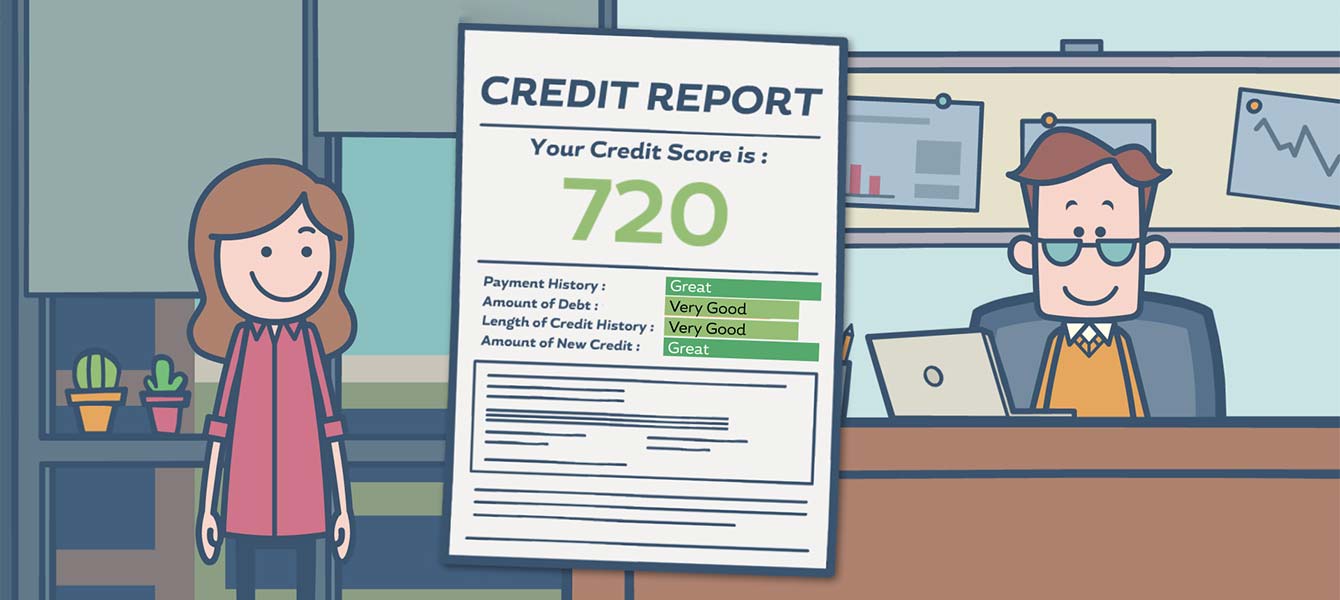
While FHA loans have flexible credit score requirements, minimums still apply. The FHA might permit lower scores for purchase loans, but for cash-out refinances, FHA-approved lenders often set their own higher credit score floors, frequently 580 or more.
How does recent credit history impact an FHA cash-out refinance application?
Lenders review recent credit activity. New late payments, collection accounts, or a notable increase in total debt since securing the first mortgage can signal increased risk and may lead to denial, even if a credit score meets the minimum.
What are lender overlays?
Lender overlays are often found in the form of stricter FICO score requirements imposed by individual FHA-approved lenders that go beyond the FHA's baseline minimums. A lender might mandate a higher credit score or a lower DTI ratio, for example.
What is a debt-to-income (DTI) ratio and why does it matter for this loan?
A DTI ratio compares a borrower's total monthly debt payments to their gross monthly income. Lenders use it to assess a borrower's capacity to manage payments without financial strain. An excessively high DTI suggests financial overextension.
How does mortgage payment history affect eligibility?
Lenders require a satisfactory payment record on the existing mortgage, usually meaning timely payments for at least the past six to twelve months.
What is the FHA's principal residence requirement for cash-out refinances?
FHA loans, including cash-out refinances, are exclusively for a borrower's principal residence. The borrower must live in the refinanced home and intend to continue doing so.
Why are stable income and employment important for qualifying?
Lenders need borrowers to have sufficient, reliable income to manage the new mortgage obligations. They typically want a consistent employment history, often for the past two years, and will verify current income.
Can delinquent federal debt prevent an FHA cash-out refinance?
Yes, delinquent federal debt, such as unpaid student loans or tax liens, can prevent a borrower from obtaining any FHA-insured loan, including a cash-out refinance.
FHA Loan Articles
August 19, 2026Homebuyers who have enough cash for a down payment still need to consider their full financial picture before choosing between a conventional mortgage and an FHA loan. Having cash on hand changes the math for both options, but savings alone won't make a conventional loan the automatic winner. Credit scores, current debt, and the type of property you want to buy all determine which loan will cost less over time.
August 11, 2026Homeowners with FHA adjustable-rate loans need to track their loans more closely. That is because FHA ARM loans start with introductory interest rates that eventually expire and are subject to change afterwards based on market rates. When interest rates rise, monthly housing payments climb on ARM loans, pushing many homeowners to consider refinancing into a fixed-rate mortgage.
August 10, 2026If you want to buy a home with an FHA mortgage, you must set up an escrow account to cover property taxes, homeowner insurance, and upfront closing expenses. While the FHA loan program has rules for funding these accounts, buyers often do not realize those rules can include approved and unallowed sources for escrow funds. What do you need to know before you set up and fund your escrow account for an FHA mortgage?
August 3, 2026Buying a home in a high-cost area requires understanding how FHA loan limits shape your financing options. Does the house for sale have a price above the local FHA loan limit? You may need to explore your jumbo loan options. There are conventional jumbo loans and FHA versions. Which is right for you? Much depends on your financial needs, plans, and goals for the loan.
July 30, 2026There is a common misconception about FHA loans that only a first-time home buyer can use the program. This is not true; repeat buyers can qualify for an FHA loan, but why does this misconception exist? Partially because state and local programs have first-time buyer requirements for down payment and/or closing cost assistance programs. So while you do not need to be a first-time buyer to get an FHA loan, you may need to meet that definition to qualify for down payment help.