




How Fast Can I Pay Down My FHA Mortgage?
March 10, 2026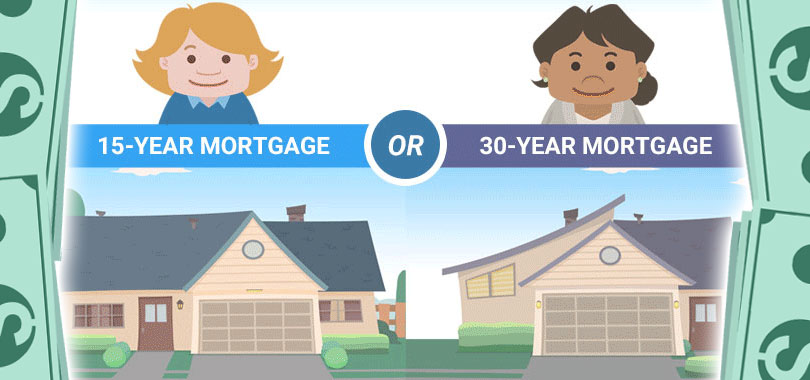
We cover some of the key factors in how fast your mortgage balance can drop and what steps you can take to help things along.
Why does a 30-year fixed-rate FHA loan decrease so slowly in the beginning?
During the early years of your FHA mortgage, a larger part of your payment goes toward interest charges. Because FHA loan interest is calculated based on the remaining balance, only a portion of your mortgage money goes toward the principal in the early days.
How does the 15-year FHA loan term compare to the 30-year term for building equity?
A 15-year loan term requires higher monthly payments but applies a much larger portion to the principal immediately. During the first five years, homeowners with a 15-year term often build equity at three times the rate of those with a 30-year term.
By year ten, a 15-year borrower has typically paid off over half the debt, while a 30-year borrower still owes the vast majority of their original loan.
How does the Upfront Mortgage Insurance Premium (UFMIP) affect the starting balance?
If you finance the UFMIP instead of paying it in full at closing, your starting loan balance will be higher than the price you paid for the home. Your initial payments go toward paying off this insurance fee before you reduce the original amount borrowed for the house itself.
What happens to the principal balance when an FHA Adjustable Rate Mortgage (ARM) enters its adjustment period?
An ARM has a steady paydown rate during its initial fixed period. Once the rate begins to adjust based on market conditions, an increase in the interest rate will cause more of your payment to be swallowed by interest costs. This slows the rate of principal reduction. Conversely, a lower interest rate can help the balance drop slightly faster.
Can I accelerate my equity growth without refinancing?
Yes. Shorten a 30-year term by making extra principal payments. One common method is a biweekly payment schedule, where you pay half your monthly amount every two weeks. This results in thirteen full payments per year instead of twelve. It is important to instruct your lender to apply these extra funds specifically to the principal balance.
How does the interest rate impact the amortization curve?
A higher interest rate keeps the loan balance higher for a longer period because more money is required to cover the cost of borrowing. A lower interest rate allows the amortization schedule to shift toward the principal much sooner in the life of the loan.
FHA Loan Articles
August 19, 2026Homebuyers who have enough cash for a down payment still need to consider their full financial picture before choosing between a conventional mortgage and an FHA loan. Having cash on hand changes the math for both options, but savings alone won't make a conventional loan the automatic winner. Credit scores, current debt, and the type of property you want to buy all determine which loan will cost less over time.
August 11, 2026Homeowners with FHA adjustable-rate loans need to track their loans more closely. That is because FHA ARM loans start with introductory interest rates that eventually expire and are subject to change afterwards based on market rates. When interest rates rise, monthly housing payments climb on ARM loans, pushing many homeowners to consider refinancing into a fixed-rate mortgage.
August 10, 2026If you want to buy a home with an FHA mortgage, you must set up an escrow account to cover property taxes, homeowner insurance, and upfront closing expenses. While the FHA loan program has rules for funding these accounts, buyers often do not realize those rules can include approved and unallowed sources for escrow funds. What do you need to know before you set up and fund your escrow account for an FHA mortgage?
August 3, 2026Buying a home in a high-cost area requires understanding how FHA loan limits shape your financing options. Does the house for sale have a price above the local FHA loan limit? You may need to explore your jumbo loan options. There are conventional jumbo loans and FHA versions. Which is right for you? Much depends on your financial needs, plans, and goals for the loan.
July 30, 2026There is a common misconception about FHA loans that only a first-time home buyer can use the program. This is not true; repeat buyers can qualify for an FHA loan, but why does this misconception exist? Partially because state and local programs have first-time buyer requirements for down payment and/or closing cost assistance programs. So while you do not need to be a first-time buyer to get an FHA loan, you may need to meet that definition to qualify for down payment help.