




Credit Matters: What to Know Before Applying for a Home Loan
October 17, 2024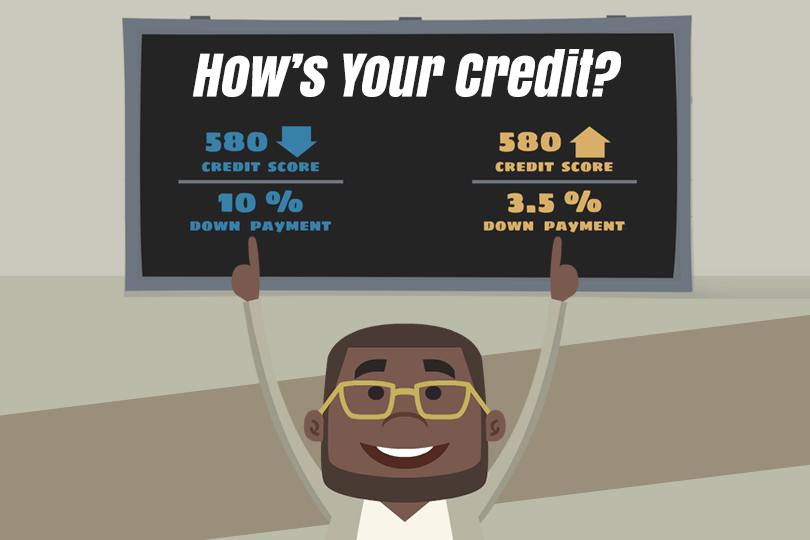
Buying a home is one of the most significant investments Americans make. Understanding how to strengthen your credit profile and leverage the power of credit counseling is essential for successfully navigating the FHA loan process.
What should you know about your credit to make the most of your home-buying journey? We examine some key points below.
Why Credit Matters for FHA Loans
While FHA loans are known for their flexibility, your credit score is a major factor in the application process. FICO scores indicate your financial responsibility and ability to manage debt.
Your Credit Score: A Breakdown Of Lender Priorities
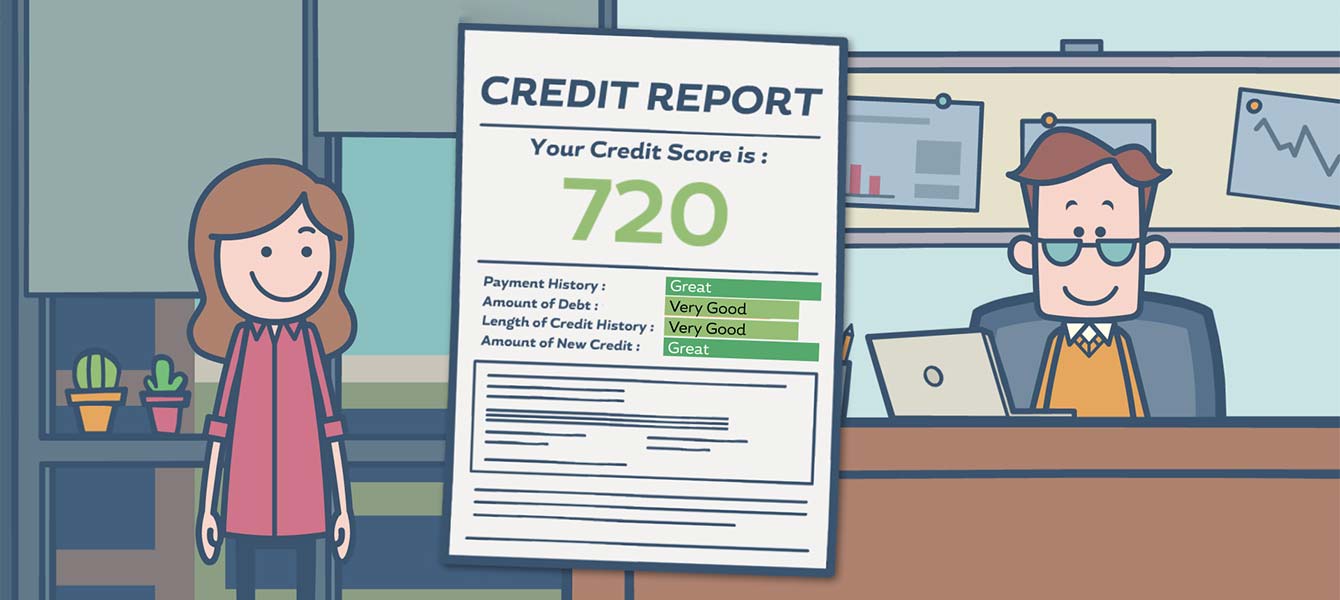
- Payment History (35%): Some believe payment history is one of the most influential credit factors. Lenders want a consistent history of on-time payments for all financial obligations.
- Amounts Owed (30%): Your credit utilization ratio (the percentage of available credit you use) is another critical factor. High credit utilization can signal financial strain and negatively impact your score. An ideal credit utilization ratio? Below 30%, preferably below 10%.
- Length of Credit History (15%): A longer credit history, in theory, shows greater financial responsibility. Lenders will look at the age of your oldest account and reference the average age of all the accounts in your name, as well as how recently you've used your credit.
- Credit Mix (10%): In some cases, having a diverse mix of credit options is a good sign. Having credit cards, installment loans, and mortgages may positively influence your score.
- New Credit (10%): Quickly opening multiple new credit accounts is not a good idea. Doing so may lower your FICO scores. The reason? A credit application triggers a "hard inquiry" on your credit report, which can be seen as a sign of increased risk.
7 Actionable Steps to Elevate Your Credit for an FHA Loan
1. Obtain and Scrutinize Your Credit Report
Request a free credit report from Equifax, Experian, and TransUnion. You can do this through AnnualCreditReport.com. The credit bureaus must provide you with one free report a year. Thoroughly review each report for errors, inaccuracies, or outdated information. Dispute any discrepancies with the respective credit bureau, providing supporting documentation as needed.
2. Prioritize On-Time Payments
Do not miss payments for any bills, including credit cards, utilities, loans, and rent. Set up automatic payments. Or use reminders to avoid late payments, which can significantly damage your credit. If you've had late payments in the past, focus on establishing a consistent pattern of on-time payments moving forward.
3. Strategically Manage Credit Card Balances
Work to get your credit utilization ratio below 30% on each card and on all other accounts. Prioritize paying down high-interest credit cards first. Consolidating multiple credit card balances into a single lower-interest loan may be a good option. Doing so can simplify payments and potentially reduce interest costs.
4. Exercise Caution with New Credit Applications
Avoid applying for new credit. Each hard inquiry can slightly lower your score, especially if you have several within a short time frame. If you need new credit, consider applying for a secured credit card. These cards require a security deposit that serves as your credit limit.
5. Preserve Your Credit History
Avoid closing old credit accounts, even if you no longer use them. Closing old accounts may affect your credit history and reduce your available credit. If you have an old account with a negative history, consider contacting the creditor to see if they offer goodwill adjustments to remove the negative mark.
6. Leverage Authorized User Status
If you have limited credit history or are rebuilding your credit, becoming an authorized user on a responsible person's credit card account can be beneficial. Ensure the account has a low credit utilization ratio and a history of on-time payments. Some credit scoring models don't give as much weight to authorized user accounts, an important variable to remember.
7. Explore Secured Credit Cards
Secured credit cards can help you establish credit or rebuild your score. Use your secured card responsibly, make small purchases, and pay your balance in full and on time each month. Some secured cards allow you to upgrade to an unsecured card after responsible use.
FHA Loan Articles
August 19, 2026Homebuyers who have enough cash for a down payment still need to consider their full financial picture before choosing between a conventional mortgage and an FHA loan. Having cash on hand changes the math for both options, but savings alone won't make a conventional loan the automatic winner. Credit scores, current debt, and the type of property you want to buy all determine which loan will cost less over time.
August 11, 2026Homeowners with FHA adjustable-rate loans need to track their loans more closely. That is because FHA ARM loans start with introductory interest rates that eventually expire and are subject to change afterwards based on market rates. When interest rates rise, monthly housing payments climb on ARM loans, pushing many homeowners to consider refinancing into a fixed-rate mortgage.
August 10, 2026If you want to buy a home with an FHA mortgage, you must set up an escrow account to cover property taxes, homeowner insurance, and upfront closing expenses. While the FHA loan program has rules for funding these accounts, buyers often do not realize those rules can include approved and unallowed sources for escrow funds. What do you need to know before you set up and fund your escrow account for an FHA mortgage?
August 3, 2026Buying a home in a high-cost area requires understanding how FHA loan limits shape your financing options. Does the house for sale have a price above the local FHA loan limit? You may need to explore your jumbo loan options. There are conventional jumbo loans and FHA versions. Which is right for you? Much depends on your financial needs, plans, and goals for the loan.
July 30, 2026There is a common misconception about FHA loans that only a first-time home buyer can use the program. This is not true; repeat buyers can qualify for an FHA loan, but why does this misconception exist? Partially because state and local programs have first-time buyer requirements for down payment and/or closing cost assistance programs. So while you do not need to be a first-time buyer to get an FHA loan, you may need to meet that definition to qualify for down payment help.