




Home Loan Down Payments: FHA vs. Conventional
April 21, 2026
While some conventional loans through Fannie Mae and Freddie Mac offer 3% down programs for first-time buyers, these programs are subject to stricter requirements.
Some first-time buyers face a choice between entering the market sooner with a lower down payment or waiting years to save a larger down payment. But during the period spent saving, the price of housing may increase, further raising the required down payment.
Loan Level Price Adjustments
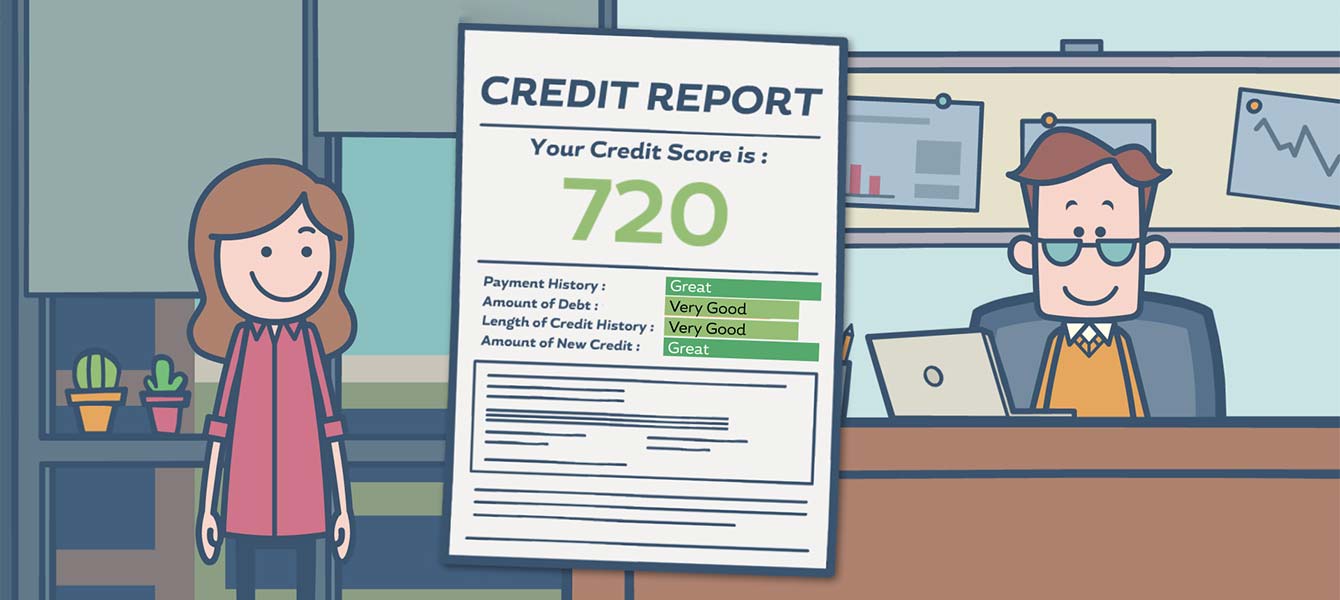
Conventional loans use a system called Loan Level Price Adjustments. These are charges based on the borrower's risk profile. Factors include the loan-to-value ratio, the credit score, and the property type. When a buyer makes a small down payment, the lender considers it a higher risk.
According to Investopedia, "A loan-level price adjustment (LLPA) is a fee applied to conventional mortgages based on the borrower’s credit risk. It affects most homebuyers using loans backed by Fannie Mae and Freddie Mac and is determined by credit score, loan-to-value (LTV) ratio, and loan type. "
For example, a borrower with a 700 credit score putting 3% down on a conventional loan will likely face a higher interest rate than a borrower with the same score using an FHA loan.
FHA interest rates are generally lower because the government insures lenders against losses.
On a conventional loan, the lender offsets the risk of a low down payment by increasing the interest rate or charging higher closing fees. This increases the loan's monthly cost, affecting the buyer's debt-to-income ratio.
Paying Less than 20% Down
Borrowers who put less than 20% down on a conventional loan must pay private mortgage insurance. The cost of this insurance is determined by the credit score and the down payment percentage. A lower credit score results in a higher insurance premium.
FHA loans use a Mortgage Insurance Premium system. This includes an upfront payment and a monthly fee. While conventional insurance can be canceled once the loan reaches 80% of the home's value, the initial monthly cost may be an issue.
You'll either pay more up front to cancel the insurance after 11 years, or pay less up front but pay the insurance for the lifetime of the loan. This is another factor to consider when deciding between FHA and conventional options.
Seller Concessions and Closing Costs
Home loan closing costs are typically 2% to 5% of the purchase price. Buyers can ask sellers to pay a portion of these costs, and FHA loans allow sellers to contribute up to 6% of the purchase price toward the buyer's closing costs. What the seller cannot do is contribute directly toward your down payment.
Conventional loans limit seller contributions to 3% (when the buyer puts down less than 10%.) If the closing costs on a $400,000 home are $16,000, the seller can only contribute $12,000 toward a conventional loan with a lower down payment.
Under FHA rules, the seller could cover the entire $16,000 amount thanks to the higher 6% seller-contribution limit. Both FHA and conventional loans allow the use of gift funds for a down payment. However, the documentation and usage rules can be more restrictive for conventional loans.
For certain property types or when the credit score is lower, conventional lenders may require the buyer to contribute at least 5% of the purchase price from their own personal funds before gifts can be applied. FHA loans allow the entire 3.5% down payment to be gifted by an eligible donor.
FHA Loan Articles
July 30, 2026There is a common misconception about FHA loans that only a first-time home buyer can use the program. This is not true; repeat buyers can qualify for an FHA loan, but why does this misconception exist? Partially because state and local programs have first-time buyer requirements for down payment and/or closing cost assistance programs. So while you do not need to be a first-time buyer to get an FHA loan, you may need to meet that definition to qualify for down payment help.
July 29, 2026When you buy a home with an FHA mortgage, you have an option to apply for a cash-out refinance to take equity in your home out in cash. These loans are offered to those with 80% equity in the home or better, and you can apply for this type of cash-out refinancing once you hit that 80% mark. Many choose to wait until their equity is much higher to achieve the best results, and it pays to factor in your closing expenses and lender fees when running the numbers to assess how affordable this option is given your budget and financial goals.
July 28, 2026FHA loan rules require escrow, and the funds used to fund escrow must come from approved sources. FHA loan rules require the lender to verify funds for earnest money or closing costs and will not allow sources such as payday loans, credit card cash advances, or non-collateralized loans. If you have never opened an escrow account before, there are some important details to know before you start.
July 20, 2026Escrow accounts play a central role in managing property taxes and insurance for FHA mortgages. Understanding escrow accounts is an important part of being a new home owner, especially if you have plans to refinance the property at some point and want to know your options to get out of escrow. We examine some key points here about revising and canceling escrow on an FHA mortgage.
July 18, 2026Many home purchasers hold incorrect assumptions about FHA mortgage rules and restrictions. These loans are not limited to first-time buyers, for example, and there is no age limit for FHA loans. FHA borrowers may apply for more than one FHA mortgage, but these loans are for owner-occupied residences only. We examine some important points on these issues, including when you can and cannot have more than one FHA loan at a time.