




What Goes Into Escrow?
May 21, 2026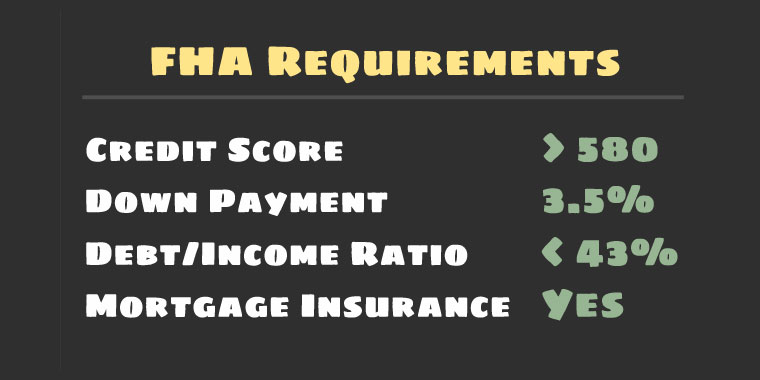
While some conventional loans may allow property owners to manage their own tax and insurance payments if they provide a down payment of 20 percent or more, the FHA loan program allows no exceptions or waivers, regardless of the size of your initial down payment.
How it Works
Your FHA lender divides your total annual property taxes and homeowners' insurance premiums into twelve equal installments. Your lender adds this amount to your base monthly payment of principal and interest.
When the annual bills for your taxes and insurance premiums are issued, the servicer draws directly from this accumulated cash reserve to pay the bills on your behalf.
What's Paid From Escrow
Local governments can place a tax lien on a home if property taxes go unpaid. This lien takes priority over the bank's mortgage, so naturally, your lender wants to avoid this and review your local tax assessment and bills accordingly.
Hazard insurance, to include your base homeowners insurance premium, which protects the physical structure against perils like fire, theft, and severe weather. The servicer manages this bill to ensure your coverage never lapses.
Properties located within a federally designated Special Flood Hazard Area require mandatory flood insurance, which is routed through the escrow account. Local government assessments for infrastructure improvements, such as neighborhood sewer lines or sidewalk repairs, which may also be funded through this account.
Housing Expenses Paid Outside Escrow
FHA loans require a Mortgage Insurance Premium. While this fee is collected alongside your monthly mortgage payment, the funds may enter your escrow account. The servicer may send them to the FHA to maintain the government insurance backing on the loan.
Fees required by a neighborhood association or a condominium board must be paid directly to the organization. Your FHA lender will not manage HOA fees through the escrow account, even though unpaid dues can result in property liens in certain states.
If the local tax assessor updates your property value they may issue a one-time supplemental tax bill to cover the value difference. These physical bills are mailed directly to your home and must be paid out of pocket, as they fall outside the standard annual tax cycle used to build your regular escrow account.
Funding Escrow
An FHA escrow account cannot start with a zero balance. You will put money in escrow on closing day, with your lender determining the number of months remaining before the next property tax and insurance bills are due.
Federal law allows lenders to maintain a financial safety net inside the account to protect against tax hikes or insurance premium increases. Ask your lender about this before you commit.
Property taxes and insurance premiums change over time and your payments may change over the years depending on circumstances. Your lender is required to do escrow analysis to compare their previous estimates against the actual bills paid over the past year.
FHA Loan Articles
July 30, 2026There is a common misconception about FHA loans that only a first-time home buyer can use the program. This is not true; repeat buyers can qualify for an FHA loan, but why does this misconception exist? Partially because state and local programs have first-time buyer requirements for down payment and/or closing cost assistance programs. So while you do not need to be a first-time buyer to get an FHA loan, you may need to meet that definition to qualify for down payment help.
July 29, 2026When you buy a home with an FHA mortgage, you have an option to apply for a cash-out refinance to take equity in your home out in cash. These loans are offered to those with 80% equity in the home or better, and you can apply for this type of cash-out refinancing once you hit that 80% mark. Many choose to wait until their equity is much higher to achieve the best results, and it pays to factor in your closing expenses and lender fees when running the numbers to assess how affordable this option is given your budget and financial goals.
July 28, 2026FHA loan rules require escrow, and the funds used to fund escrow must come from approved sources. FHA loan rules require the lender to verify funds for earnest money or closing costs and will not allow sources such as payday loans, credit card cash advances, or non-collateralized loans. If you have never opened an escrow account before, there are some important details to know before you start.
July 20, 2026Escrow accounts play a central role in managing property taxes and insurance for FHA mortgages. Understanding escrow accounts is an important part of being a new home owner, especially if you have plans to refinance the property at some point and want to know your options to get out of escrow. We examine some key points here about revising and canceling escrow on an FHA mortgage.
July 18, 2026Many home purchasers hold incorrect assumptions about FHA mortgage rules and restrictions. These loans are not limited to first-time buyers, for example, and there is no age limit for FHA loans. FHA borrowers may apply for more than one FHA mortgage, but these loans are for owner-occupied residences only. We examine some important points on these issues, including when you can and cannot have more than one FHA loan at a time.