





Questions and Answers About FHA Refinance Loans
January 30, 2025
FHA refi loans can lower monthly payments, shorten the loan term, consolidate debt, or even access cash for home improvements or other needs. Understanding the eligibility criteria and different refinance options is crucial for homeowners considering this option.
This quiz will test your knowledge of FHA refinancing qualifications. Knowing the ins and outs of these loans can help you determine if refinancing is right for you.
How do I qualify for FHA refinancing? Which of the following is NOT a typical requirement?
a) Meeting minimum credit score requirements
b) Having sufficient equity in your home
c) Demonstrating a stable income and employment history
d) Owning a vacation home in another state
Answer: d
Owning a vacation home in another state. FHA loans are designed to refinance primary residences, not vacation or investment properties. While having other real estate assets may be considered as part of your overall financial profile, it's not a direct requirement for FHA refinancing, and owning a vacation home isn't typically a factor in the qualification process.
Which type of FHA refinance allows you to take cash out of your home's equity?
a) Streamline Refinance
b) Cash-Out Refinance
c) Rate and Term Refinance
d) FHA 203(k) Rehab Loan
Answer: b
Cash-Out Refinance. A Cash-Out Refinance allows you to borrow more than you currently owe on your mortgage and receive the difference in cash. This can be used for various purposes, such as consolidating debt, making home improvements, or covering other expenses.
What is a "Streamline Refinance," and what is a key benefit?
a) A type of FHA loan for purchasing a new home; it offers lower interest rates.
b) A simplified FHA refinance process; it often requires less documentation and may not require an appraisal.
c) A government program for first-time homebuyers; it provides down payment assistance.
d) A type of loan modification that adjusts the terms of an existing mortgage.
Answer: b
A simplified FHA refinance process; it often requires less documentation and may not require an appraisal. Streamline Refinances are designed to be quicker and easier than traditional refinances, often requiring less paperwork and potentially skipping the appraisal process, especially when rates are lowered. These are for existing FHA loans only.
Why would I be denied an FHA cash-out refinance loan? Which of these is a common reason?
a) Having a low credit score
b) Not having enough equity in your home
c) Having too much debt compared to your income (high debt-to-income ratio)
d) All of the above
Answer: d
All of the above. Low credit scores, insufficient equity, and a high DTI are all common reasons for FHA refinance loan denials. Lenders assess these factors to determine your ability to repay the loan.
What does "loan-to-value ratio" (LTV) mean in the context of refinancing?
a) The ratio of your monthly loan payment to your income.
b) The ratio of your total debt to your assets.
c) The percentage of your home's appraised value that is represented by your loan amount.
d) The interest rate on your loan.
Answer: c
The percentage of your home's appraised value that is represented by your loan amount. LTV is a key factor in refinancing. A lower LTV (meaning you have more equity) generally makes qualifying easier and may lead to better loan terms.
How does your credit score impact your ability to qualify for an FHA refinance?
a) It doesn't matter; FHA loans don't consider credit scores.
b) A higher credit score generally increases your chances of approval and may help you secure a lower interest rate.
c) A lower credit score is always better for FHA loans.
d) Credit score only matters for conventional loans, not FHA loans.
Answer: b
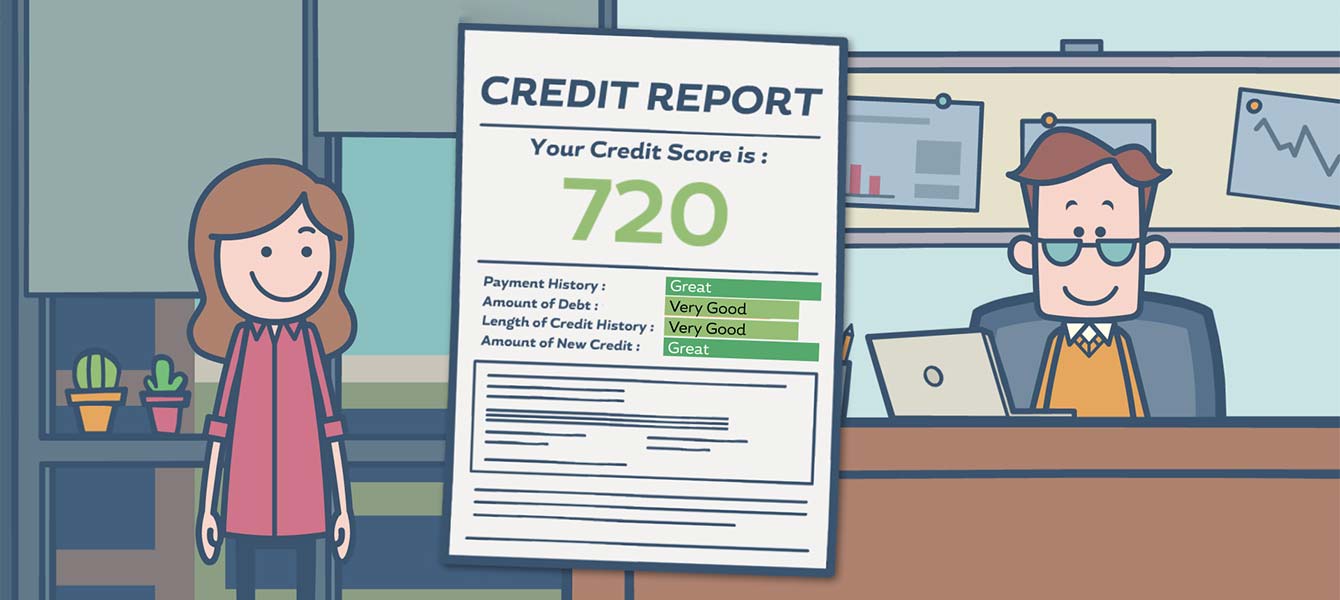
A higher credit score generally increases your chances of approval and may help you secure a lower interest rate. While FHA loans are more lenient with credit scores than conventional loans, a higher score still improves your chances and can lead to better terms.
What is a debt-to-income ratio (DTI), and why is it important for FHA refinancing?
a) The ratio of your savings to your expenses; it determines your eligibility for government assistance.
b) The ratio of your monthly debt payments to your gross monthly income; lenders use it to assess your ability to repay the loan.
c) The ratio of your assets to your liabilities; it reflects your overall financial health.
d) The ratio of your current loan balance to the original loan amount; it measures how much of your loan you've paid off.
Answer: b
The ratio of your monthly debt payments to your gross monthly income; lenders use it to assess your ability to repay the loan. DTI is a crucial factor for lenders. A lower DTI demonstrates that you have a manageable amount of debt compared to your income, making you a less risky borrower.
Besides credit score, DTI, and LTV, what other factors are considered for FHA refinance approval?
a) Employment history and stability
b) Appraisal of the property
c) Cash reserves
d) All of the above
Answer: d
All of the above. Lenders look at a holistic picture of your finances, including your employment history, the appraised value of your home, and your cash reserves, to assess your overall creditworthiness.
Which of the following is NOT a benefit of FHA refinancing?
a) Potentially lowering your monthly payments
b) Consolidating debt
c) Always eliminating the need for private mortgage insurance (PMI)
d) Accessing cash for home improvements or other needs (Cash-Out Refinance)
Answer: c
Always eliminating the need for private mortgage insurance (PMI). FHA loans, including refinances, typically require mortgage insurance premiums (MIP), which protect the lender in case of default. While refinancing might change the type of MIP you pay (from upfront to annual, or vice versa), it doesn't automatically eliminate the need for it, especially if your loan-to-value ratio is above a certain threshold.
FHA Loan Articles
August 19, 2026Homebuyers who have enough cash for a down payment still need to consider their full financial picture before choosing between a conventional mortgage and an FHA loan. Having cash on hand changes the math for both options, but savings alone won't make a conventional loan the automatic winner. Credit scores, current debt, and the type of property you want to buy all determine which loan will cost less over time.
August 11, 2026Homeowners with FHA adjustable-rate loans need to track their loans more closely. That is because FHA ARM loans start with introductory interest rates that eventually expire and are subject to change afterwards based on market rates. When interest rates rise, monthly housing payments climb on ARM loans, pushing many homeowners to consider refinancing into a fixed-rate mortgage.
August 10, 2026If you want to buy a home with an FHA mortgage, you must set up an escrow account to cover property taxes, homeowner insurance, and upfront closing expenses. While the FHA loan program has rules for funding these accounts, buyers often do not realize those rules can include approved and unallowed sources for escrow funds. What do you need to know before you set up and fund your escrow account for an FHA mortgage?
August 3, 2026Buying a home in a high-cost area requires understanding how FHA loan limits shape your financing options. Does the house for sale have a price above the local FHA loan limit? You may need to explore your jumbo loan options. There are conventional jumbo loans and FHA versions. Which is right for you? Much depends on your financial needs, plans, and goals for the loan.
July 30, 2026There is a common misconception about FHA loans that only a first-time home buyer can use the program. This is not true; repeat buyers can qualify for an FHA loan, but why does this misconception exist? Partially because state and local programs have first-time buyer requirements for down payment and/or closing cost assistance programs. So while you do not need to be a first-time buyer to get an FHA loan, you may need to meet that definition to qualify for down payment help.