




FHA Jumbo Loans vs. Conventional Jumbo Loans
August 3, 2026
There are conventional jumbo loans and FHA versions. Which is right for you? Much depends on your financial needs, plans, and goals for the loan.
The following questions and answers detail the mechanics, insurance costs, and approval standards for FHA high-balance loans compared to conventional jumbo mortgages.
What do I need to know about FHA loans in high-cost areas?
Under the National Housing Act, the government sets annual FHA loan limits for each county based on local median house prices. Standard low-cost areas use a floor set at 65 percent of the national conforming limit, while high-cost markets scale up to a maximum ceiling of 150 percent of that same limit.
What is an FHA high-balance or jumbo loan?
When financing exceeds standard limits, FHA offers high-balance loan options up to the designated county ceiling. If a home price exceeds that local limit, buyers must either use a conventional jumbo mortgage or cover the excess amount with cash at closing.
How do upfront fees and monthly insurance compare between the two options?
FHA loans require an Upfront Mortgage Insurance Premium at closing—which borrowers can finance into the loan—along with monthly insurance payments that often last for the full loan term unless the borrower puts down at least 10 percent.
Conventional loans do not charge an upfront federal fee, and private mortgage insurance drops off once the borrower reaches 20 percent equity.
How do qualification standards differ for borrowers?
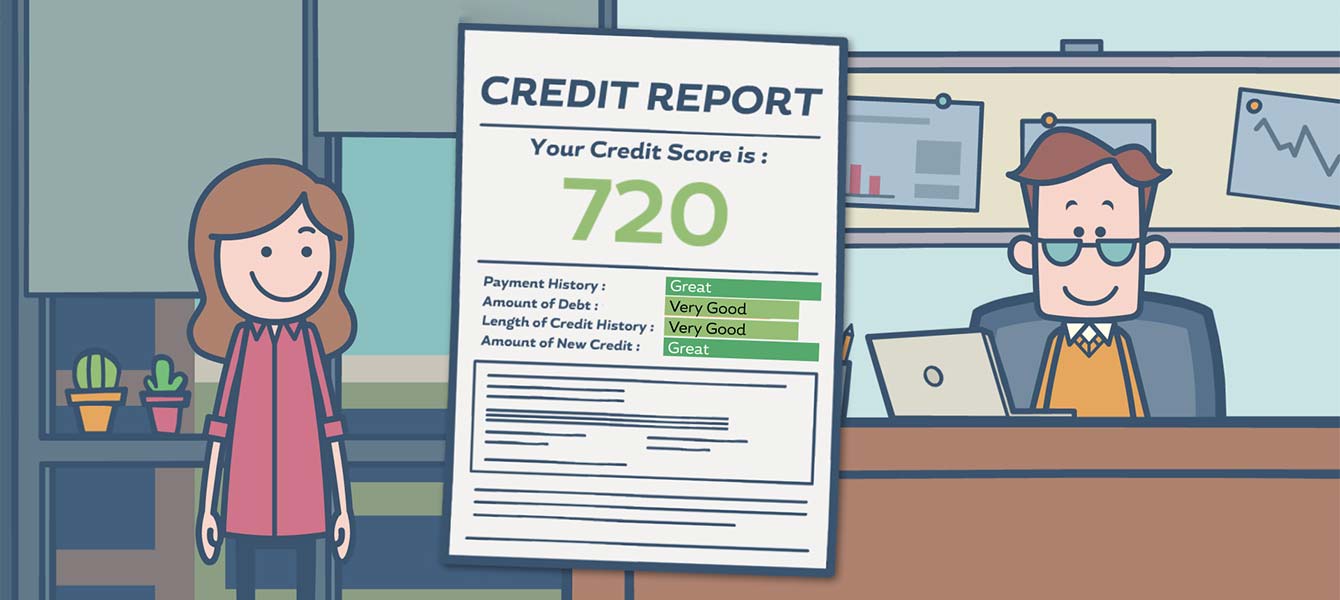
FHA high-balance loan or jumbo loan guidelines accept lower credit scores and higher debt-to-income ratios, along with stricter appraisal requirements.
Conventional jumbo loans require higher credit scores, larger cash reserves, lower debt ratios, and typically a 20 percent down payment at closing time to avoid mortgage insurance entirely.
FHA Loan Articles
August 3, 2026Buying a home in a high-cost area requires understanding how FHA loan limits shape your financing options. Does the house for sale have a price above the local FHA loan limit? You may need to explore your jumbo loan options. There are conventional jumbo loans and FHA versions. Which is right for you? Much depends on your financial needs, plans, and goals for the loan.
July 30, 2026There is a common misconception about FHA loans that only a first-time home buyer can use the program. This is not true; repeat buyers can qualify for an FHA loan, but why does this misconception exist? Partially because state and local programs have first-time buyer requirements for down payment and/or closing cost assistance programs. So while you do not need to be a first-time buyer to get an FHA loan, you may need to meet that definition to qualify for down payment help.
July 29, 2026When you buy a home with an FHA mortgage, you have an option to apply for a cash-out refinance to take equity in your home out in cash. These loans are offered to those with 80% equity in the home or better, and you can apply for this type of cash-out refinancing once you hit that 80% mark. Many choose to wait until their equity is much higher to achieve the best results, and it pays to factor in your closing expenses and lender fees when running the numbers to assess how affordable this option is given your budget and financial goals.
July 28, 2026FHA loan rules require escrow, and the funds used to fund escrow must come from approved sources. FHA loan rules require the lender to verify funds for earnest money or closing costs and will not allow sources such as payday loans, credit card cash advances, or non-collateralized loans. If you have never opened an escrow account before, there are some important details to know before you start.
July 20, 2026Escrow accounts play a central role in managing property taxes and insurance for FHA mortgages. Understanding escrow accounts is an important part of being a new home owner, especially if you have plans to refinance the property at some point and want to know your options to get out of escrow. We examine some key points here about revising and canceling escrow on an FHA mortgage.