



First-Time Homebuyer FAQs: Demystifying Mortgage Terms
February 26, 2025
I keep hearing about "principal" and "interest." What's the difference?
Think of it like this: the principal is the main dish – it's the actual amount of money you borrow from the lender to buy your home. The interest is like the extra side dishes and drinks you order. It's the cost of borrowing that principal amount. Interest is calculated as a percentage of the principal, and that percentage is your interest rate.
What does "loan term" mean, and why does it matter?
The loan term is simply the length of time you have to repay the mortgage, usually measured in years (e.g., 15 years, 30 years). It matters because a shorter term means higher monthly payments but less total interest paid over the life of the loan. A longer home loan term can bring lower monthly payments, but you'll end up paying more in interest over time.
How is my monthly payment determined?
Your mortgage payment is based on the principal, interest rate, and loan term. Part of that payment reduces the principal and there is a portion covering the interest. In the early years of your mortgage, more of your payment goes towards interest. Gradually, more and more goes towards paying down the principal.
What is amortization?
Amortization is just a fancy word for the process of gradually paying off your mortgage over time. An amortization schedule shows exactly how each monthly payment is divided between principal and interest, and how your loan balance decreases over the years.
What are the main types of mortgages I should know about?
There are several key types of mortgages. With a fixed-rate mortgage, your interest rate stays the same. It does not change during the loan term. This creates predictable monthly payments. In contrast, an adjustable-rate mortgage (ARM) has an interest rate that can change periodically, typically annually, which means your monthly payments can go up or down.
If you are a first-time homebuyer or have a lower credit score or smaller down payment, you might consider an FHA loan. These loans are insured by the Federal Housing Administration.
What are closing costs, and what do they include?
Closing costs are the various fees and expenses you pay to finalize your mortgage. They typically include things like a loan origination fee, an appraisal fee that covers the cost of assessing the property's value, title insurance, and recording fees paid to the government to record the sale.
What's the deal with mortgage insurance?
Mortgage insurance protects the lender. The insurance pays the lender if you default on the mortgage. For conventional loans, this is called Private Mortgage Insurance (PMI), while for FHA loans, it's called Mortgage Insurance Premium (MIP).
What is an escrow account?
An escrow account is like a holding pen for your property taxes and homeowners insurance payments. Your lender manages this account and uses it to pay those bills on your behalf, ensuring you stay current. Your mortgage payment may include money intended for escrow.
What are "prepaids" at closing?
Prepaids are upfront costs you cover at closing, such as prepaid interest, property taxes, and homeowners insurance premiums.
How does my credit score affect my mortgage?
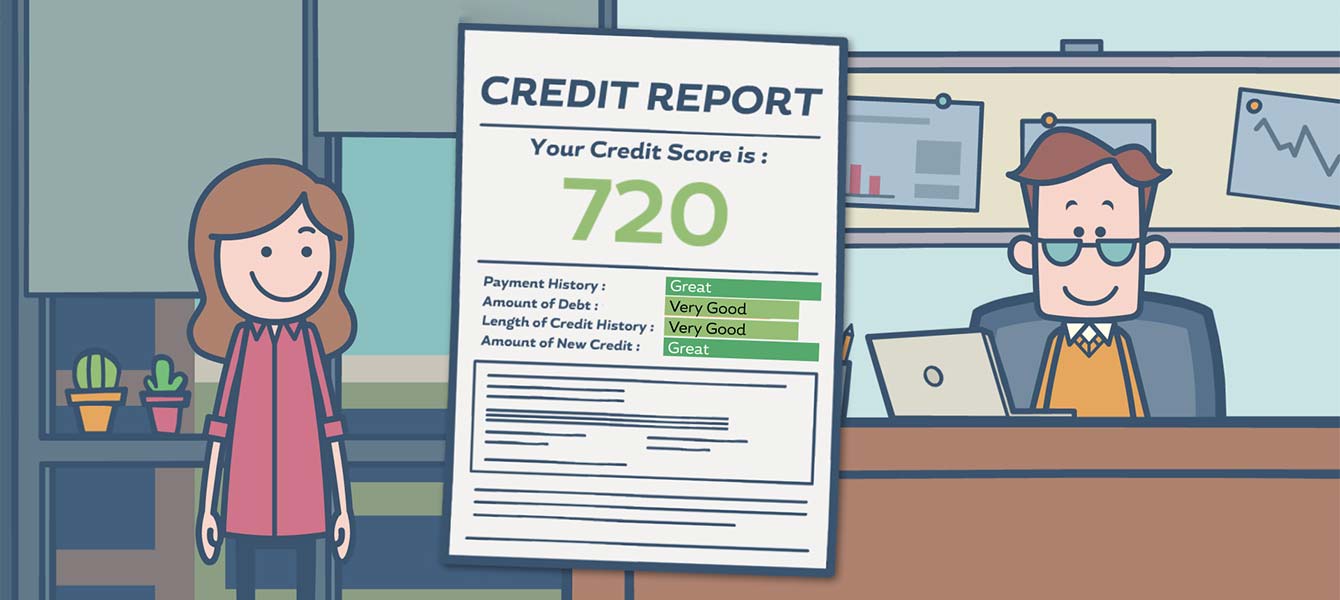
Your FICO score is used to assess how risky it is to lend you money. A higher score generally means you'll qualify for a lower interest rate and better loan terms.
What does it mean to get pre-approved for a mortgage?
Getting pre-approved means a lender has reviewed your finances and given you an estimate of how much you can borrow. This is a smart move before house hunting because it shows sellers you're a serious buyer.
What are the Loan Estimate and Closing Disclosure?
These are important documents you'll receive during the mortgage process. The Loan Estimate provides an early estimate of your loan terms, interest rate, and closing costs, while the Closing Disclosure gives you the final details of your loan before you sign on the dotted line.
FHA Loan Articles
August 19, 2026Homebuyers who have enough cash for a down payment still need to consider their full financial picture before choosing between a conventional mortgage and an FHA loan. Having cash on hand changes the math for both options, but savings alone won't make a conventional loan the automatic winner. Credit scores, current debt, and the type of property you want to buy all determine which loan will cost less over time.
August 11, 2026Homeowners with FHA adjustable-rate loans need to track their loans more closely. That is because FHA ARM loans start with introductory interest rates that eventually expire and are subject to change afterwards based on market rates. When interest rates rise, monthly housing payments climb on ARM loans, pushing many homeowners to consider refinancing into a fixed-rate mortgage.
August 10, 2026If you want to buy a home with an FHA mortgage, you must set up an escrow account to cover property taxes, homeowner insurance, and upfront closing expenses. While the FHA loan program has rules for funding these accounts, buyers often do not realize those rules can include approved and unallowed sources for escrow funds. What do you need to know before you set up and fund your escrow account for an FHA mortgage?
August 3, 2026Buying a home in a high-cost area requires understanding how FHA loan limits shape your financing options. Does the house for sale have a price above the local FHA loan limit? You may need to explore your jumbo loan options. There are conventional jumbo loans and FHA versions. Which is right for you? Much depends on your financial needs, plans, and goals for the loan.
July 30, 2026There is a common misconception about FHA loans that only a first-time home buyer can use the program. This is not true; repeat buyers can qualify for an FHA loan, but why does this misconception exist? Partially because state and local programs have first-time buyer requirements for down payment and/or closing cost assistance programs. So while you do not need to be a first-time buyer to get an FHA loan, you may need to meet that definition to qualify for down payment help.