




How's Your Credit, House Hunter?
May 30, 2025
How long does it typically take for a house hunter to get their credit ready for an FHA home loan?
The exact timeframe varies. When that data is pulled, your credit report is meant to examine your current financial situation. If you need to improve your credit score in a major way, it will take time for your improved credit habits to be listed in your credit report.
Generally, house hunters should expect the process to take anywhere from a few months to over a year. For minor adjustments, a few months might suffice. For a major credit rebuild the process can extend beyond a year, sometimes even several years.
This duration is directly linked to the current state of one's credit and the diligence applied to improving it.
What are the main factors that determine a credit score, and how do they impact the timeline for credit readiness?
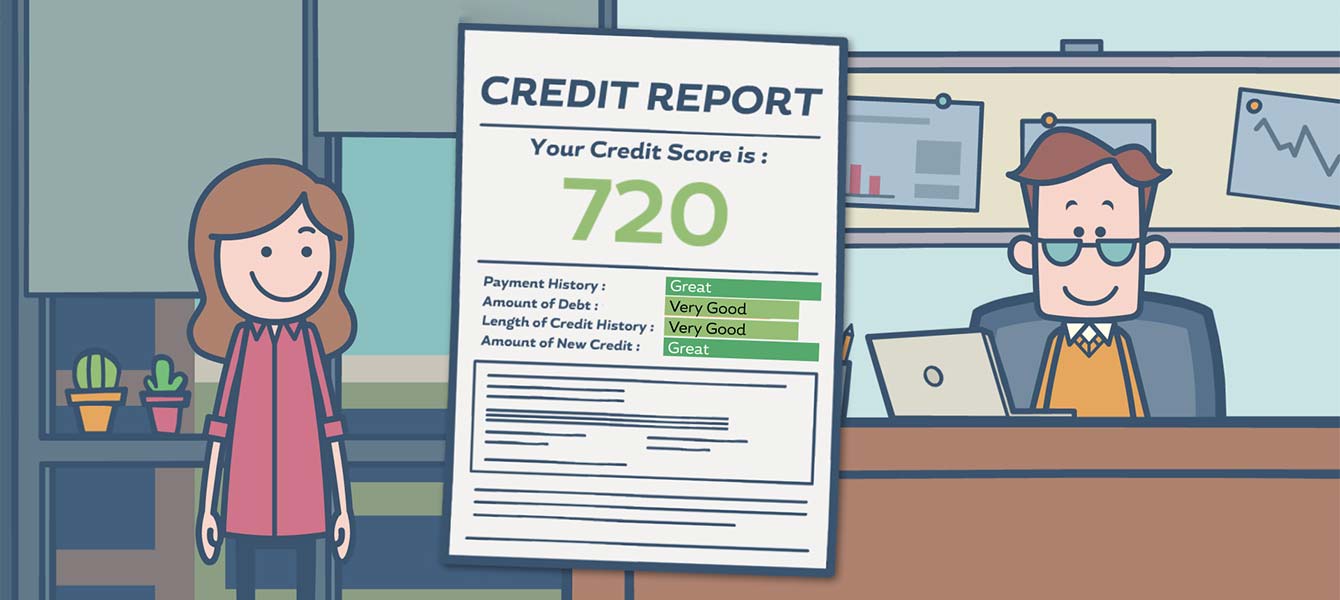
Multiple factors go into a credit score, each playing a crucial role. Payment history is the most important. Consistent, on-time payments are the key to good credit. Any missed payment can potentially damage your scores for up to seven years. Therefore, if there's a history of late payments, establishing a perfect record is the first and most time-consuming step for recovery.
Credit utilization is another big factor. The lender must measure how much of your available credit you are using. High credit card balances may hurt your scores even if paid on time. Reducing these balances may show results within a month or two, as balances are reported monthly, but your experience may vary.
Length of credit history is another consideration. The lender wants to know how long your accounts have been open. This factor simply takes time to build; there are no shortcuts. For those new to credit, a score generally takes at least six months of account activity to generate.
Borrower beware: too many applications for new credit could (temporarily) lower your score due to "hard inquiries." Avoid new credit applications, especially before a mortgage application. This will help prevent unnecessary delays.
Finally, the variety of your credit accounts matters. A diverse mix can be positive, but one should not open new accounts solely for this purpose if it means taking on unnecessary debt or hard inquiries.
What is my first step if I have a history of missed payments?
Establish a perfect record of timely payments on all your debts. This includes credit cards, car loans, student loans, and other financial obligations. You must ensure every single payment is made by its due date, without exception. This consistent, positive behavior is the most influential factor in your credit score and will gradually lead to recovery, though it takes time for the full effect to show.
How quickly can reducing credit card balances impact my credit score?
Reducing your credit card balances, particularly lowering your credit utilization ratio, can have a faster impact on your credit score. Since credit card companies typically report balances to the credit bureaus on a monthly basis, you might see an improvement in your score within just a month or two after aggressively paying down high balances. The goal is to use less than thirty percent of your total available credit, with ten percent or less ideal for optimal results.
What should I do if I have little to no credit history?
If you have little to no credit history, building it takes time. A FICO score typically requires at least six months of activity on one or more accounts to generate. The best approach is to open a few manageable credit accounts, such as a secured credit card or a small installment loan, and then consistently make all payments on time. The key is patience, as the length of your credit history factor grows over time.
What is the benefit of getting my credit reports long before a mortgage application?
Obtaining and meticulously reviewing your credit reports from all three major bureaus (Experian, Equifax, and TransUnion) well in advance is a crucial practical step. This allows you to identify any errors or inaccuracies. Look for incorrect personal information, accounts that do not belong to you, or outdated negative entries.
Disputing these errors promptly with the credit bureaus can lead to a quicker and often significant improvement in your score, as they are legally required to investigate and correct inaccuracies, usually within thirty days. Catching and correcting these issues early can save you significant time and stress later in the home loan process.
Will applying for multiple new lines of credit affect my credit score negatively?
The answer is typically yes. Applying for multiple new lines of credit quickly can negatively affect your credit score. Lenders may interpret a sudden rush of applications as a sign of financial trouble. It's best to avoid unnecessary credit applications in the months before a mortgage application. However, when shopping for a mortgage, multiple inquiries within a short window are often treated as a single inquiry to allow for rate comparison.
How quickly do changes to my credit activities, like paying down debt, show up on my credit report?
Credit score changes are not instantaneous. Lenders and credit card companies report information to the credit bureaus monthly. Therefore, the positive effects of diligently paying down debt or making on-time payments will accumulate over time.
You typically won't see an overnight transformation, but a gradual improvement will be reflected in your score as these monthly updates occur. While rapid rescore services exist for urgent situations, they are not a substitute for good financial habits.
FHA Loan Articles
August 19, 2026Homebuyers who have enough cash for a down payment still need to consider their full financial picture before choosing between a conventional mortgage and an FHA loan. Having cash on hand changes the math for both options, but savings alone won't make a conventional loan the automatic winner. Credit scores, current debt, and the type of property you want to buy all determine which loan will cost less over time.
August 11, 2026Homeowners with FHA adjustable-rate loans need to track their loans more closely. That is because FHA ARM loans start with introductory interest rates that eventually expire and are subject to change afterwards based on market rates. When interest rates rise, monthly housing payments climb on ARM loans, pushing many homeowners to consider refinancing into a fixed-rate mortgage.
August 10, 2026If you want to buy a home with an FHA mortgage, you must set up an escrow account to cover property taxes, homeowner insurance, and upfront closing expenses. While the FHA loan program has rules for funding these accounts, buyers often do not realize those rules can include approved and unallowed sources for escrow funds. What do you need to know before you set up and fund your escrow account for an FHA mortgage?
August 3, 2026Buying a home in a high-cost area requires understanding how FHA loan limits shape your financing options. Does the house for sale have a price above the local FHA loan limit? You may need to explore your jumbo loan options. There are conventional jumbo loans and FHA versions. Which is right for you? Much depends on your financial needs, plans, and goals for the loan.
July 30, 2026There is a common misconception about FHA loans that only a first-time home buyer can use the program. This is not true; repeat buyers can qualify for an FHA loan, but why does this misconception exist? Partially because state and local programs have first-time buyer requirements for down payment and/or closing cost assistance programs. So while you do not need to be a first-time buyer to get an FHA loan, you may need to meet that definition to qualify for down payment help.