



Non-FEMA Resources For FHA Borrowers After A Natural Disaster
August 22, 2025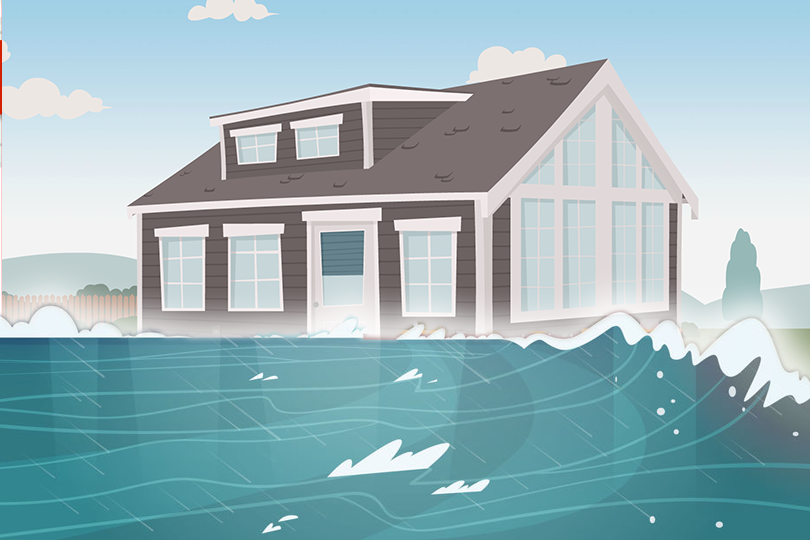
However, for FHA homeowners, the path to a full recovery involves a wider range of federal support. How many non-FEMA disaster recovery resources do you know? The amount of help available may surprise you.
Non-FEMA Disaster Resources for FHA Borrowers
Besides FEMA, what is the first step an FHA borrower should take after a natural disaster? It’s one of the easiest steps to take. Contact your FHA mortgage servicer.
They can help you with any immediate relief options you may qualify for, such as a temporary pause on foreclosure proceedings and options for forbearance to suspend or reduce your payments.
Was your house destroyed in the disaster? Consider the FHA’s disaster relief options including the Section 203(h) program, which can help you buy a new home with no down payment. If your home is damaged but repairable, the FHA Section 203(k) rehab loan program is an option to refinance your current mortgage and include the cost of repairs into a single new loan.
Help For Borrowers In Rural Areas
If you live in an area designated as rural by the USDA, contact your local USDA Rural Development office. They may have payment assistance programs or other special servicing options available to homeowners affected by the disaster.
Rural or not, homeowners in a federally declared disaster area may be eligible to claim a deduction on their federal income tax return. This can, depending on tax laws in the year you file, lower your taxable income, and you may qualify for a larger tax refund, providing needed cash for recovery.
FHA Loan Foreclosure Protection
In a presidentially declared disaster area, HUD authorizes participating FHA lenders to implement a 90-day moratorium on foreclosures for FHA-insured loans. This provides homeowners with a crucial period to assess their situation without the immediate threat of losing their home.
Homeowner Help From The Small Business Administration
The U.S. Small Business Administration (SBA) has low-interest disaster loan options for homeowners affected by a qualifying disaster. These loans can be used to repair or replace a primary residence.
The SBA offers “mitigation assistance,” which allows a borrower to increase their loan amount by up to 20%. These additional funds can be used to make improvements that will help protect the property from damage in future disasters, such as elevating a home or installing storm shutters.
FHA Loan Articles
August 19, 2026Homebuyers who have enough cash for a down payment still need to consider their full financial picture before choosing between a conventional mortgage and an FHA loan. Having cash on hand changes the math for both options, but savings alone won't make a conventional loan the automatic winner. Credit scores, current debt, and the type of property you want to buy all determine which loan will cost less over time.
August 11, 2026Homeowners with FHA adjustable-rate loans need to track their loans more closely. That is because FHA ARM loans start with introductory interest rates that eventually expire and are subject to change afterwards based on market rates. When interest rates rise, monthly housing payments climb on ARM loans, pushing many homeowners to consider refinancing into a fixed-rate mortgage.
August 10, 2026If you want to buy a home with an FHA mortgage, you must set up an escrow account to cover property taxes, homeowner insurance, and upfront closing expenses. While the FHA loan program has rules for funding these accounts, buyers often do not realize those rules can include approved and unallowed sources for escrow funds. What do you need to know before you set up and fund your escrow account for an FHA mortgage?
August 3, 2026Buying a home in a high-cost area requires understanding how FHA loan limits shape your financing options. Does the house for sale have a price above the local FHA loan limit? You may need to explore your jumbo loan options. There are conventional jumbo loans and FHA versions. Which is right for you? Much depends on your financial needs, plans, and goals for the loan.
July 30, 2026There is a common misconception about FHA loans that only a first-time home buyer can use the program. This is not true; repeat buyers can qualify for an FHA loan, but why does this misconception exist? Partially because state and local programs have first-time buyer requirements for down payment and/or closing cost assistance programs. So while you do not need to be a first-time buyer to get an FHA loan, you may need to meet that definition to qualify for down payment help.