




Do I Need an FHA Refinance?
April 3, 2021
Reasons Why a Homeowner May Choose to Refinance
1. HISTORICALLY LOW RATES
If you are someone who goes into your bank regularly, you are probably used to a banker asking if you are interested in refinancing, since interest rates are “historically low.” It may seem like the word “historic” is thrown around a lot, it has been true since 2019. Interest rates started to decline in 2019 and have fallen steadily through 2020. The average rate for a 30-year, fixed rate home loan has fallen from 4.94% in November 2018, to 3.33% at the start of April 2020. A point drop in your interest rate could translate to huge savings with each monthly payment, which is why refinancing in such times can be a good idea.
2. SHORTENING YOUR TERM
Many borrowers also choose to refinance their mortgage so that their loan term is shortened. This may work for borrowers who have some long-term debts and enough money coming in each month to pay the mortgage off sooner. Shortening your loan term will mean increasing your monthly payments, so you will want to make sure your finances are managed and that your income is reliable. For many borrowers, it can be worth the higher payments, since shorter-term mortgages usually have lower interest rates, and borrowers end up saving on interest payments because they are paying it for a shorter amount of time.
3. GOING FROM ARM TO FIXED RATE MORTGAGE
A common reason many borrowers refinance is to go from an adjustable-rate mortgage to a fixed rate loan, usually because they want the security of a set monthly payment. Such refinances make the most sense when interest rates are low, probably before the introductory period on the ARM ends.
4. CONSOLIDATING YOUR DEBT
Many borrowers may choose a cash-out refinance to take better control of debt. By consolidating different loans (such as credit card bills and auto loans) into a one mortgage, they can have a single, fixed monthly payment, which is much easier to manage. Mortgages have lower interest rates compared to all other personal loans, so piling all your debt into a mortgage makes financial sense. Additionally, if it is timed right and interest rates are low, borrowers can also take advantage of market conditions and lower their monthly payment.
Is Now the Right Time?
It is impossible to say with certainty what the future holds and interest rates can change at any point, but they are expected to remain low till the end of 2020, if not longer. Capitalizing on the current market rates might be in your best interest and could lower your monthly payment significantly. However, refinances are at an all-time high and that means lenders are experiencing a huge number of applications, which could potentially make loans slower to process.
Refinancing also comes with closing costs, so for some mortgage holders, it might not be worth the time or money to deal with it. One rule of thumb for refinancing is that you should plan to live in your home long enough to break even. Do the math to see how long you need to reside in the home to recoup the cost of refinancing in the interest you save.
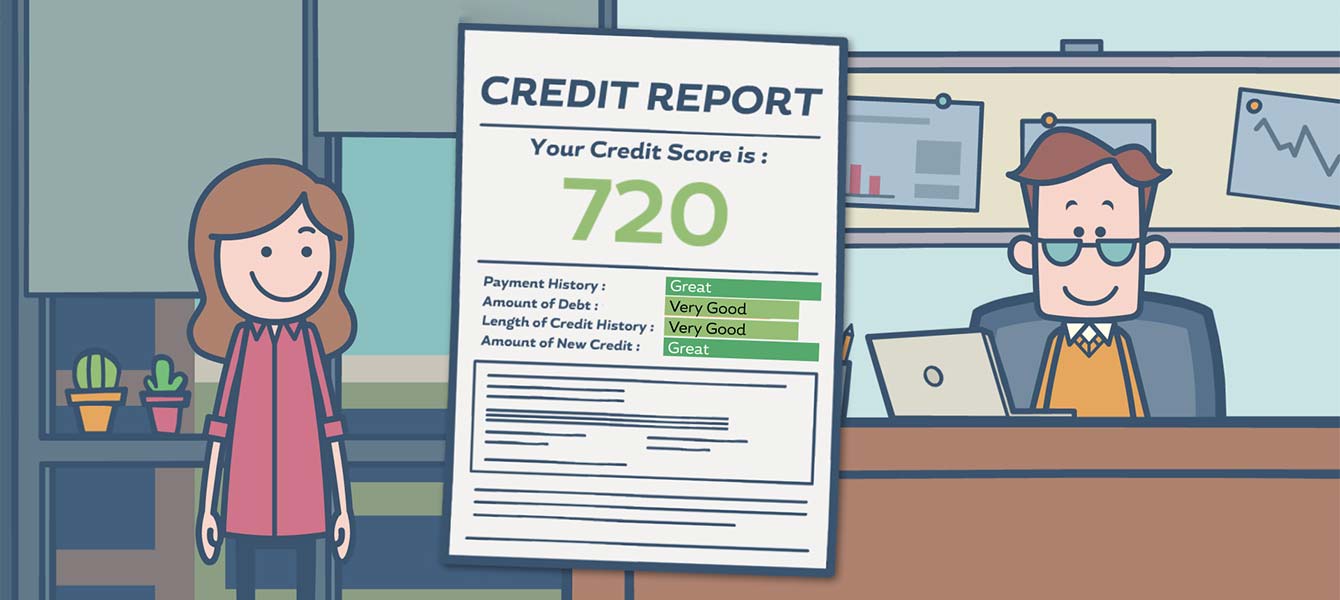
It is also important to keep in mind that during the Coronavirus pandemic, many lenders have increased their eligibility requirements for refinances, especially for government-sponsored programs like FHA loans, such as higher minimum credit scores more detailed proof of employment and income.
Ultimately, the future is uncertain, and interest rate projections can turn out wrong. However, if you have not had a mortgage review in the past couple of years, it is worth getting in touch with a loan officer to see if a refinance could save you some money in the long run.
------------------------------
RELATED VIDEOS:
Keep Your Eyes on Your Loan Balance
Learn About FHA Loan Prepayments
Taking Out a Home Loan Makes You a Borrower
FHA Loan Articles
August 19, 2026Homebuyers who have enough cash for a down payment still need to consider their full financial picture before choosing between a conventional mortgage and an FHA loan. Having cash on hand changes the math for both options, but savings alone won't make a conventional loan the automatic winner. Credit scores, current debt, and the type of property you want to buy all determine which loan will cost less over time.
August 11, 2026Homeowners with FHA adjustable-rate loans need to track their loans more closely. That is because FHA ARM loans start with introductory interest rates that eventually expire and are subject to change afterwards based on market rates. When interest rates rise, monthly housing payments climb on ARM loans, pushing many homeowners to consider refinancing into a fixed-rate mortgage.
August 10, 2026If you want to buy a home with an FHA mortgage, you must set up an escrow account to cover property taxes, homeowner insurance, and upfront closing expenses. While the FHA loan program has rules for funding these accounts, buyers often do not realize those rules can include approved and unallowed sources for escrow funds. What do you need to know before you set up and fund your escrow account for an FHA mortgage?
August 3, 2026Buying a home in a high-cost area requires understanding how FHA loan limits shape your financing options. Does the house for sale have a price above the local FHA loan limit? You may need to explore your jumbo loan options. There are conventional jumbo loans and FHA versions. Which is right for you? Much depends on your financial needs, plans, and goals for the loan.
July 30, 2026There is a common misconception about FHA loans that only a first-time home buyer can use the program. This is not true; repeat buyers can qualify for an FHA loan, but why does this misconception exist? Partially because state and local programs have first-time buyer requirements for down payment and/or closing cost assistance programs. So while you do not need to be a first-time buyer to get an FHA loan, you may need to meet that definition to qualify for down payment help.