




What Your Credit Score Says About You
August 23, 2022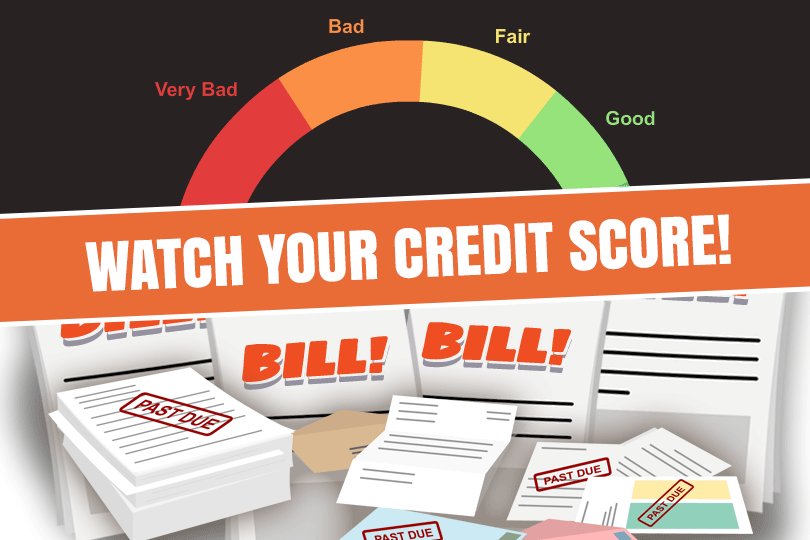
What is a Good Credit Score?
Think of your credit score like grades you get in school. A higher grade means that the work you turned in was on time and of higher quality. It measures your academic performance. Your credit score measures your creditworthiness, and you are graded bases on a number of factors, and credit bureaus calculate it on a scale between the range of 300 to 850.
The higher this score is, the more lenders will trust you. A high score represents a borrower who makes repays loans and makes his payments on time, making you less of a risk in the eyes of lenders, giving them more incentive to grant you credit with a lower interest rate.
What Goes into Your Credit Score?
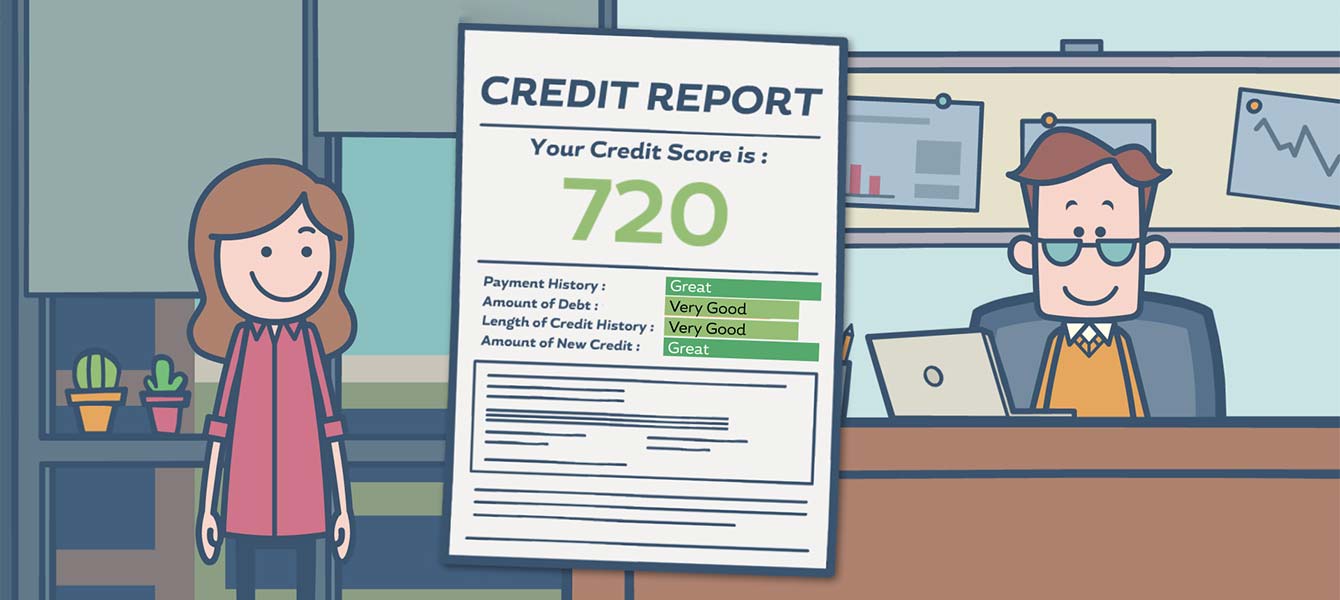
One of the main credit scoring formulas used in the U.S. is the FICO score. All major credit bureaus in the U.S.—Equifax, Experian, and TransUnion—calculate credit scores using FICO's algorithm and information they have collected about people's credit history. It is based on five factors: timely payments (35%), total debt (30%), the age of credit (15%), new credit (10%), and the type of debt (10%). Let’s talk about each of the aspects.
Timely Payments: The first factor is easy enough to understand; to be considered creditworthy, you need to make payments on your loans on time. This can mean making your mortgage payment on time, and even your credit card balance.
Total Debt: Your total debt, which affects 30% of your score, is the amount of money you owe, relative to your credit limits. The more you owe, the riskier it is for you to take on new debt, lowering your credit score.
Age of Credit: Having a longer, more established credit history is advantageous because it gives lenders more information about your spending habits. A longer history of reliable borrowing means your score will be higher.
New Credit: This refers to lines of open credit. If a borrower has opened a number of new credit lines in a short amount of time, it indicates to lenders that they are having financial trouble and cannot manage their money well.
Type of Credit: This is especially helpful for new borrowers who don’t have a long credit history. It helps to have different types of credit lines because it shows lenders that you are able to handle various finances.
While it is good to know what goes into your score, you also need to know what doesn't affect your credit rating. While credit applications can affect the score, "soft" credit checks do not. The score is not based on sex, race, marital status, religion, nationality, or age. Information about where you live, your job, salary, or the interest rates on your credit accounts is not factored into the score either.
------------------------------
RELATED VIDEOS:
You're Almost There When You Get Your Loan Approval
Learn About the Mortgage Insurance Premium (MIP)
Pre-approval Starts the Mortgage Process
FHA Loan Articles
August 19, 2026Homebuyers who have enough cash for a down payment still need to consider their full financial picture before choosing between a conventional mortgage and an FHA loan. Having cash on hand changes the math for both options, but savings alone won't make a conventional loan the automatic winner. Credit scores, current debt, and the type of property you want to buy all determine which loan will cost less over time.
August 11, 2026Homeowners with FHA adjustable-rate loans need to track their loans more closely. That is because FHA ARM loans start with introductory interest rates that eventually expire and are subject to change afterwards based on market rates. When interest rates rise, monthly housing payments climb on ARM loans, pushing many homeowners to consider refinancing into a fixed-rate mortgage.
August 10, 2026If you want to buy a home with an FHA mortgage, you must set up an escrow account to cover property taxes, homeowner insurance, and upfront closing expenses. While the FHA loan program has rules for funding these accounts, buyers often do not realize those rules can include approved and unallowed sources for escrow funds. What do you need to know before you set up and fund your escrow account for an FHA mortgage?
August 3, 2026Buying a home in a high-cost area requires understanding how FHA loan limits shape your financing options. Does the house for sale have a price above the local FHA loan limit? You may need to explore your jumbo loan options. There are conventional jumbo loans and FHA versions. Which is right for you? Much depends on your financial needs, plans, and goals for the loan.
July 30, 2026There is a common misconception about FHA loans that only a first-time home buyer can use the program. This is not true; repeat buyers can qualify for an FHA loan, but why does this misconception exist? Partially because state and local programs have first-time buyer requirements for down payment and/or closing cost assistance programs. So while you do not need to be a first-time buyer to get an FHA loan, you may need to meet that definition to qualify for down payment help.