



Challenges of Buying a Home with High FHA Loan Interest Rates
July 2, 2023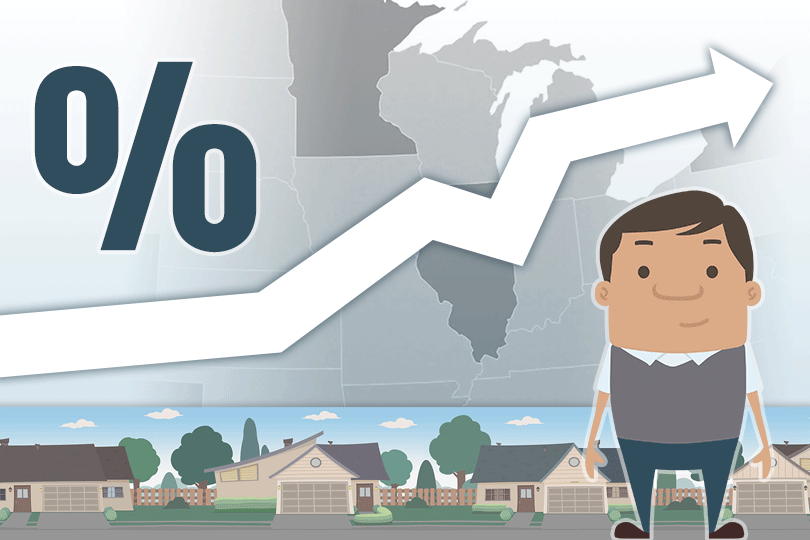
The Impact of High FHA Loan Interest Rates
- Increased Monthly Payments
High FHA loan interest rates result in higher monthly mortgage payments. This can strain your budget and may limit your ability to afford a home that meets your needs and preferences. - Long-Term Cost
Over the life of your mortgage, the impact of high interest rates can be substantial. You'll end up paying significantly more for your home compared to someone with a lower interest rate. - Reduced Buying Power
High interest rates can limit your buying power, meaning you might not be able to afford the same home or neighborhood you initially had in mind.
Strategies for Dealing with High FHA Loan Interest Rates
- Improve Your Credit Score
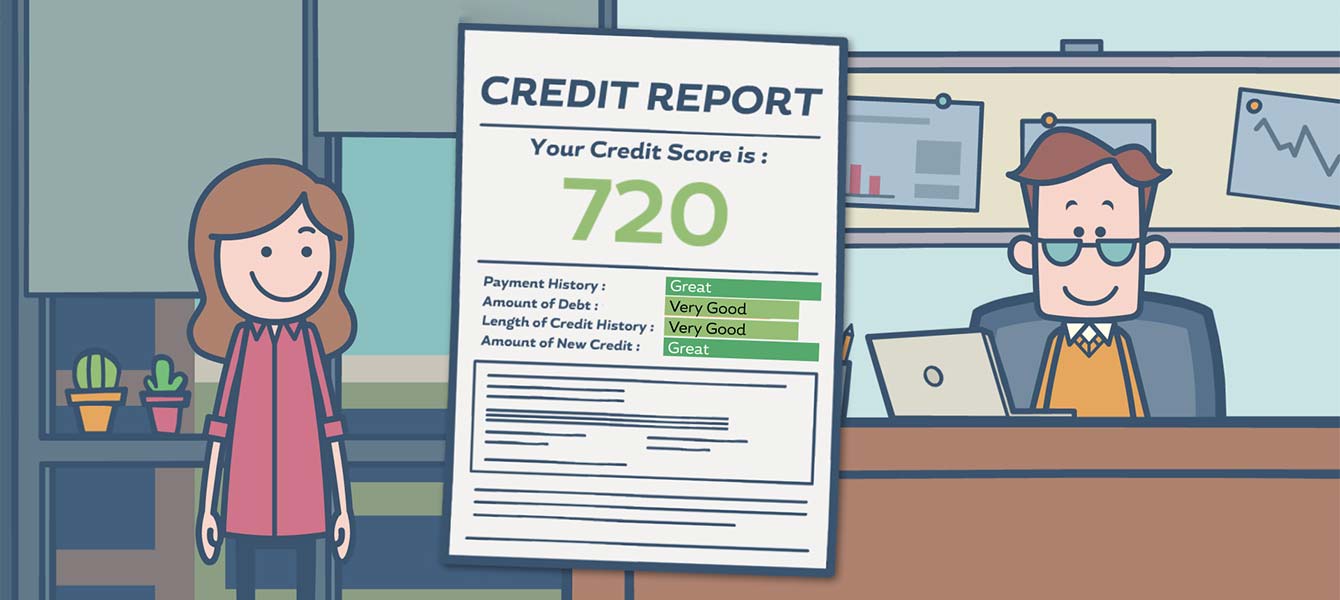
One way to secure a more favorable FHA loan interest rate is by improving your credit score. This can be achieved by paying down existing debts, correcting errors on your credit report, and demonstrating responsible financial behavior over time. - Shop Around
Don't settle for the first FHA lender you encounter. Shop around and compare offers from multiple lenders. Interest rates can vary significantly between lenders, and a little extra effort can yield substantial savings. - Consider Other Loan Options
While FHA loans are a popular choice, they are not the only option available. Explore conventional loans, USDA loans, or VA loans if you qualify, as they may offer more competitive interest rates. - Make a Larger Down Payment
Increasing your down payment can help mitigate the impact of high interest rates. It reduces the amount you need to borrow, resulting in lower monthly payments and less interest paid over time. - Lock in Your Rate
When you find an FHA loan with an interest rate you're comfortable with, consider locking in that rate. This protects you from rate increases during the application process. - Refinance When Possible
Once you've secured your FHA loan, monitor the market for opportunities to refinance when interest rates are more favorable. Refinancing can help you reduce your interest rate and lower your monthly payments.
RELATED VIDEOS:
Annual Income Requirements for FHA Loans
Good Credit History Helps Get FHA Loans
Stay Informed About Your Mortgage Closing Costs
FHA Loan Articles
August 19, 2026Homebuyers who have enough cash for a down payment still need to consider their full financial picture before choosing between a conventional mortgage and an FHA loan. Having cash on hand changes the math for both options, but savings alone won't make a conventional loan the automatic winner. Credit scores, current debt, and the type of property you want to buy all determine which loan will cost less over time.
August 11, 2026Homeowners with FHA adjustable-rate loans need to track their loans more closely. That is because FHA ARM loans start with introductory interest rates that eventually expire and are subject to change afterwards based on market rates. When interest rates rise, monthly housing payments climb on ARM loans, pushing many homeowners to consider refinancing into a fixed-rate mortgage.
August 10, 2026If you want to buy a home with an FHA mortgage, you must set up an escrow account to cover property taxes, homeowner insurance, and upfront closing expenses. While the FHA loan program has rules for funding these accounts, buyers often do not realize those rules can include approved and unallowed sources for escrow funds. What do you need to know before you set up and fund your escrow account for an FHA mortgage?
August 3, 2026Buying a home in a high-cost area requires understanding how FHA loan limits shape your financing options. Does the house for sale have a price above the local FHA loan limit? You may need to explore your jumbo loan options. There are conventional jumbo loans and FHA versions. Which is right for you? Much depends on your financial needs, plans, and goals for the loan.
July 30, 2026There is a common misconception about FHA loans that only a first-time home buyer can use the program. This is not true; repeat buyers can qualify for an FHA loan, but why does this misconception exist? Partially because state and local programs have first-time buyer requirements for down payment and/or closing cost assistance programs. So while you do not need to be a first-time buyer to get an FHA loan, you may need to meet that definition to qualify for down payment help.