



What to Do About High Interest Rates?
September 25, 2023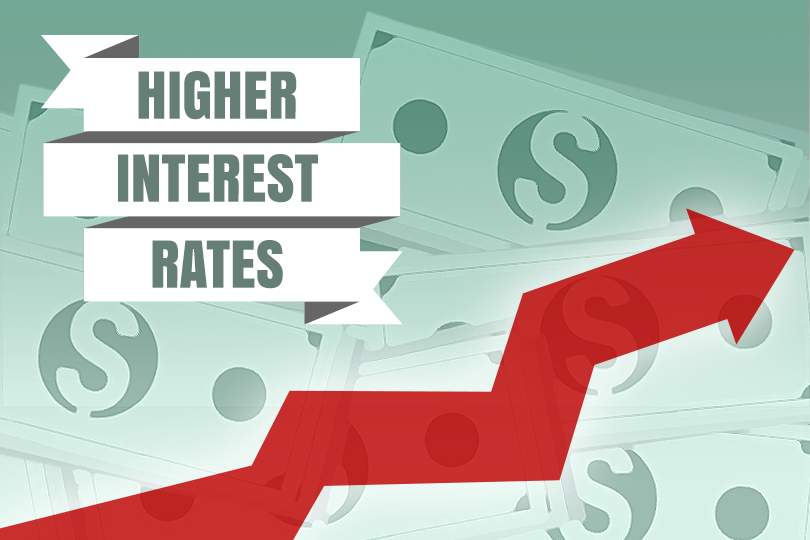
Still, if you feel like you have to buy a home, there are things you can do to get the best rate possible and plan for more affordable times down the road.
Shop Around for the Best Rate
Mortgage rates can vary significantly between lenders. Take the time to shop around and compare rates and terms from different lenders. You can use online tools and consult with mortgage brokers to find the most competitive rates available.
Improve Your Credit Score
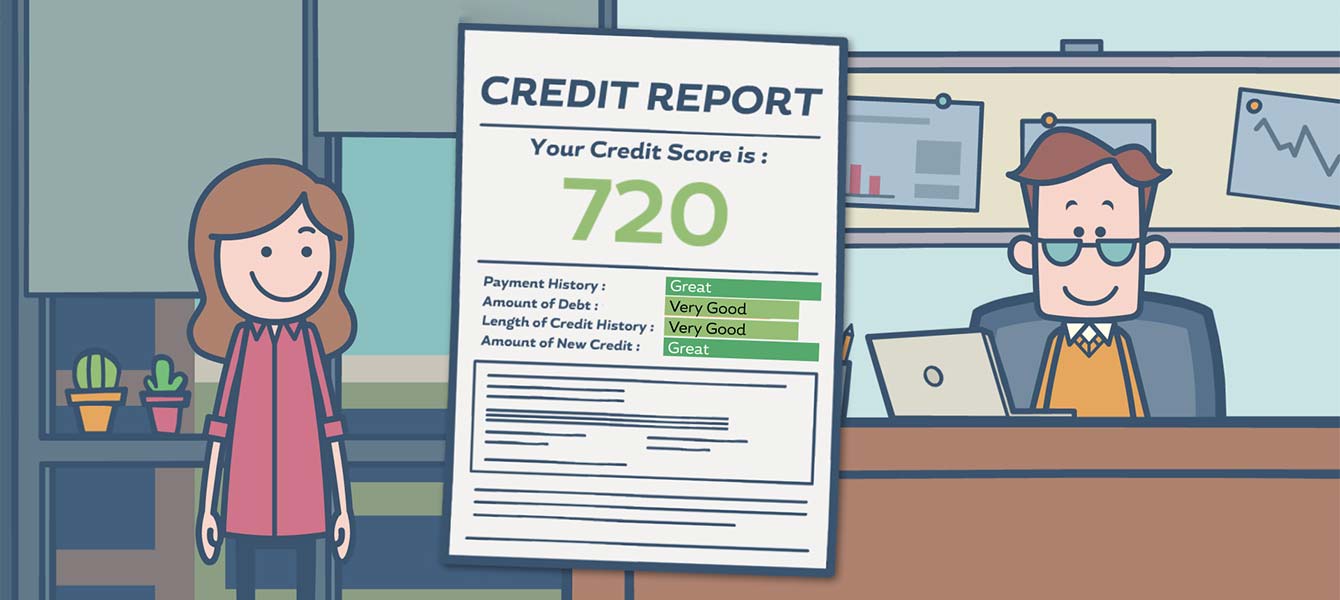
Your credit score has a significant impact on the interest rate you qualify for. Take steps to improve your credit score by paying bills on time, reducing outstanding debts, and addressing any errors on your credit report.
Consider a Shorter Loan Term
While shorter-term mortgages typically have higher monthly payments, they often come with lower interest rates. If you can afford the higher monthly payments, opting for a 15-year mortgage, for example, might save you money in the long run.
Lock in Your Rate
If you're in the process of buying a home and think rates will continue to climb, consider locking in your mortgage rate. This means that the lender guarantees you the current rate for a specific period, typically until you close on the home. It protects you from potential rate increases during that time.
Increase Your Down Payment
A larger down payment can help you qualify for a lower interest rate. Lenders often offer better terms to borrowers who can make a higher initial investment.
Consider Adjustable-Rate Mortgages (ARMs)
While fixed-rate mortgages offer stability, adjustable-rate mortgages (ARMs) can have lower initial interest rates. However, they come with the risk of rates increasing over time. ARMs may be a good choice if you plan to sell the property or refinance before the rate adjusts.
Evaluate Your Financial Situation
Assess your financial stability and future plans. If you anticipate higher income in the near future, you might be able to handle a higher rate. Conversely, if you expect financial difficulties, it's essential to secure a mortgage that you can comfortably afford.
Be Patient
Mortgage rates are influenced by various economic factors, and they can fluctuate. If rates are currently high, it might be wise to wait for a more favorable rate environment before making a home purchase.
------------------------------
RELATED VIDEOS:
Let's Talk About Home Equity
Understanding Your Loan Term
Your Home Loan is Called a Mortgage
FHA Loan Articles
August 19, 2026Homebuyers who have enough cash for a down payment still need to consider their full financial picture before choosing between a conventional mortgage and an FHA loan. Having cash on hand changes the math for both options, but savings alone won't make a conventional loan the automatic winner. Credit scores, current debt, and the type of property you want to buy all determine which loan will cost less over time.
August 11, 2026Homeowners with FHA adjustable-rate loans need to track their loans more closely. That is because FHA ARM loans start with introductory interest rates that eventually expire and are subject to change afterwards based on market rates. When interest rates rise, monthly housing payments climb on ARM loans, pushing many homeowners to consider refinancing into a fixed-rate mortgage.
August 10, 2026If you want to buy a home with an FHA mortgage, you must set up an escrow account to cover property taxes, homeowner insurance, and upfront closing expenses. While the FHA loan program has rules for funding these accounts, buyers often do not realize those rules can include approved and unallowed sources for escrow funds. What do you need to know before you set up and fund your escrow account for an FHA mortgage?
August 3, 2026Buying a home in a high-cost area requires understanding how FHA loan limits shape your financing options. Does the house for sale have a price above the local FHA loan limit? You may need to explore your jumbo loan options. There are conventional jumbo loans and FHA versions. Which is right for you? Much depends on your financial needs, plans, and goals for the loan.
July 30, 2026There is a common misconception about FHA loans that only a first-time home buyer can use the program. This is not true; repeat buyers can qualify for an FHA loan, but why does this misconception exist? Partially because state and local programs have first-time buyer requirements for down payment and/or closing cost assistance programs. So while you do not need to be a first-time buyer to get an FHA loan, you may need to meet that definition to qualify for down payment help.