



House Hunting and Overextended Credit
December 18, 2024
The holidays are a whirlwind of festivities, family gatherings, and gift-giving. But amidst the cheer, it's easy to lose track of spending. If you're aiming to buy a home in the near future, those extra expenses can have a bigger impact than you might realize, especially if you're considering an FHA loan.
FHA Loans and Your Financial Snapshot
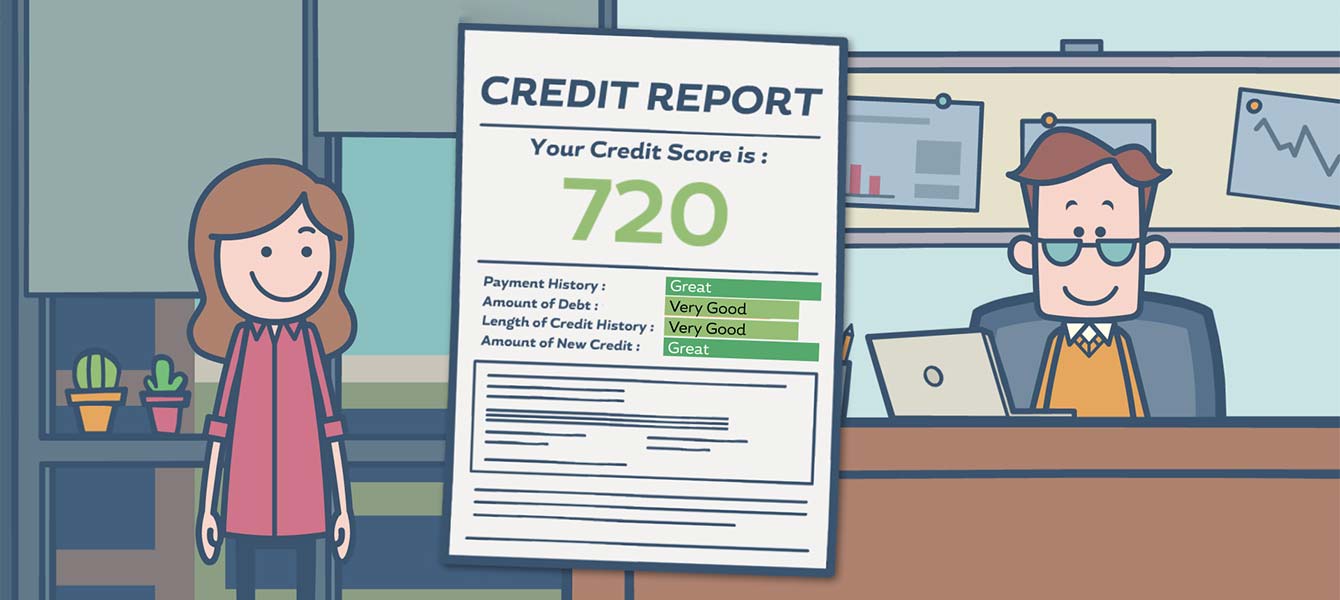
Qualifying for an FHA loan requires meeting specific financial criteria. Lenders will carefully assess your creditworthiness, and a key element of that assessment is your debt-to-income ratio (DTI).
If you spent too much during the holiday season using credit, your DTI will be a force to be reckoned with after the holidays, when your house-hunting plans begin.
The Post-Holiday Reality Check
As the dust settles after the holiday season, it's time for a financial reality check. If you rely heavily on credit cards for gifts, travel, or entertainment, those balances can weigh down your DTI and affect your credit score. Dipping into savings to cover holiday expenses can also hinder your ability to meet the minimum down payment and closing cost requirements for an FHA loan.
Taking Control of Your Finances
The good news is that you can take steps to mitigate the impact of holiday spending and get back on track toward your homeownership goals.
Start by tackling your existing debt head-on. Create a debt repayment plan and commit to it. Even small extra payments can make a significant difference over time.
To gain momentum and stay motivated, consider different debt repayment strategies, like the snowball method (paying off the smallest debts first) or the avalanche method (tackling debts with the highest interest rates first).
Boost Your Income
Explore ways to increase your income. A part-time job, freelance work, or a side hustle can provide extra funds to accelerate debt repayment and improve your DTI. Don't hesitate to reach out to a HUD-approved housing counselor.
These professionals can provide personalized advice and help you develop a plan to improve your financial situation and navigate homebuying. They can also connect you with resources and programs for which you might qualify.
Take Your Time
If your holiday spending has significantly impacted your financial profile, consider delaying your FHA loan application until you've had time to rebuild your credit and lower your DTI.
This proactive approach can increase your chances of approval and help you secure a better interest rate. Take this opportunity to establish strong financial habits.
Create a realistic budget that accounts for all your expenses. Prioritize saving for your down payment and closing costs. Track your spending diligently and identify areas where you can cut back. Building a solid financial foundation will help you qualify for an FHA loan and set you up for success as a homeowner.
While the holidays are a time for celebration and generosity, financial responsibility is essential, especially if homeownership is on the horizon.
By managing your debt, boosting your income, and seeking expert guidance, you can overcome the impact of holiday overspending and achieve your goal of owning a home.
FHA Loan Articles
August 19, 2026Homebuyers who have enough cash for a down payment still need to consider their full financial picture before choosing between a conventional mortgage and an FHA loan. Having cash on hand changes the math for both options, but savings alone won't make a conventional loan the automatic winner. Credit scores, current debt, and the type of property you want to buy all determine which loan will cost less over time.
August 11, 2026Homeowners with FHA adjustable-rate loans need to track their loans more closely. That is because FHA ARM loans start with introductory interest rates that eventually expire and are subject to change afterwards based on market rates. When interest rates rise, monthly housing payments climb on ARM loans, pushing many homeowners to consider refinancing into a fixed-rate mortgage.
August 10, 2026If you want to buy a home with an FHA mortgage, you must set up an escrow account to cover property taxes, homeowner insurance, and upfront closing expenses. While the FHA loan program has rules for funding these accounts, buyers often do not realize those rules can include approved and unallowed sources for escrow funds. What do you need to know before you set up and fund your escrow account for an FHA mortgage?
August 3, 2026Buying a home in a high-cost area requires understanding how FHA loan limits shape your financing options. Does the house for sale have a price above the local FHA loan limit? You may need to explore your jumbo loan options. There are conventional jumbo loans and FHA versions. Which is right for you? Much depends on your financial needs, plans, and goals for the loan.
July 30, 2026There is a common misconception about FHA loans that only a first-time home buyer can use the program. This is not true; repeat buyers can qualify for an FHA loan, but why does this misconception exist? Partially because state and local programs have first-time buyer requirements for down payment and/or closing cost assistance programs. So while you do not need to be a first-time buyer to get an FHA loan, you may need to meet that definition to qualify for down payment help.